
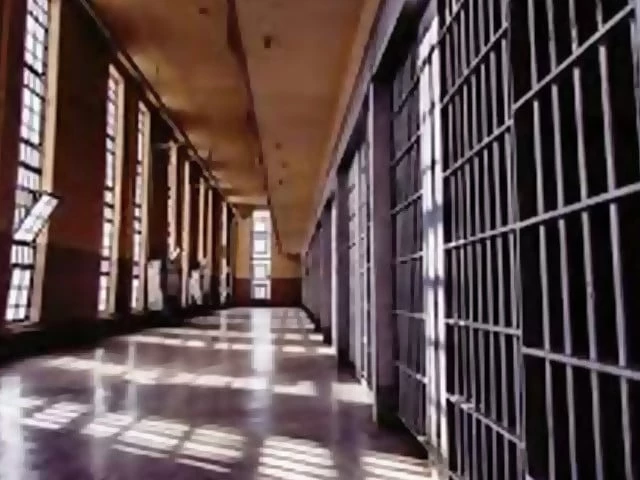
Inmates describe the internal culture, expensive facilities and harsh living conditions.
RAWALPINDI:
Originally built in 1986 for 3,000 prisoners and later expanded to accommodate 4,000 inmates, Adiala Prison currently houses almost 7,000 prisoners and inmates awaiting trial, making it one of the largest prisons in Asia.
The prison includes local and foreign inmates from countries including the United States, Britain, Nigeria, India and Bangladesh.
During a recent hearing in the Islamabad High Court over meetings with the founding president of Pakistan Tehreek-i-Insaf, government representatives declared that the superintendent of Adiala Jail was “the king of the jail” and operated with complete autonomy in decision-making.
Within the prison, inmates and unprocessed prisoners have developed their own unique keywords for various sections and practices of prison life.
According to prisoners, inmates who regularly pay money and gifts to prison staff are called “Sab Acha” prisoners or “Tori” prisoners, that is, prisoners with influence and privileges.
These inmates can sleep and move freely, use mobile phones and receive food from home.
Comfortable mattresses and bedding are also provided.
Prisoners who cannot pay are forced to sleep on the bare floor, near the bathrooms, without sheets or mats. Inmates refer to these areas as the “Highway.”
The diluted tea served at breakfast is called “Escala” in prison slang.
A small piece of meat with thin sauce served once a week is known as “Diesel”, while half-baked bread served three times a day is known as “Nafri”.
The watery lentils served in jail are called “Langar”.
According to inmates, prisoners are forced to sit without shoes during visits by the jail superintendent, judges or other officials to prevent someone from throwing their shoes.
Prisoners who stand up, complain or look directly at officials during inspections are allegedly found guilty of serious misconduct and subsequently subjected to physical punishment.
According to reports, if two prisoners fight, both are confined in a small punishment cell known as “Qasuri”, where inmates can only sit or lie down.
The prisoners held in “Qasuri” do not even appear in court during hearings.
Inmates returning from court appearances are subjected to full body searches and any money, cigarettes or items recovered are confiscated.
Prisoners claimed that cigarettes were extremely expensive inside the jail: a pack of Gold Leaf was sold for 800 rupees and a Capstan for 500 rupees.
With the arrival of summer, male and female inmates and children living with their mothers in prison reportedly suffered from heat rashes.
The inmates asked philanthropists to donate refrigerators, fans and solar panels to improve living conditions inside the prison, where power outages are frequent.
They also urged welfare organizations that distribute free meals in markets to also send food to prisoners.
Several prisoners whose sentences have been served are reportedly still incarcerated because they cannot pay the fines imposed by the courts.
The inmates asked philanthropists to help them pay those fines so that poor prisoners could secure their release.
The prisoners also demanded immediate operationalization of the Islamabad Jail project so that around 3,000 inmates could be shifted from Adiala Jail, reducing overcrowding and allowing prisoners to sleep in rooms instead of on the “Highway”.


