
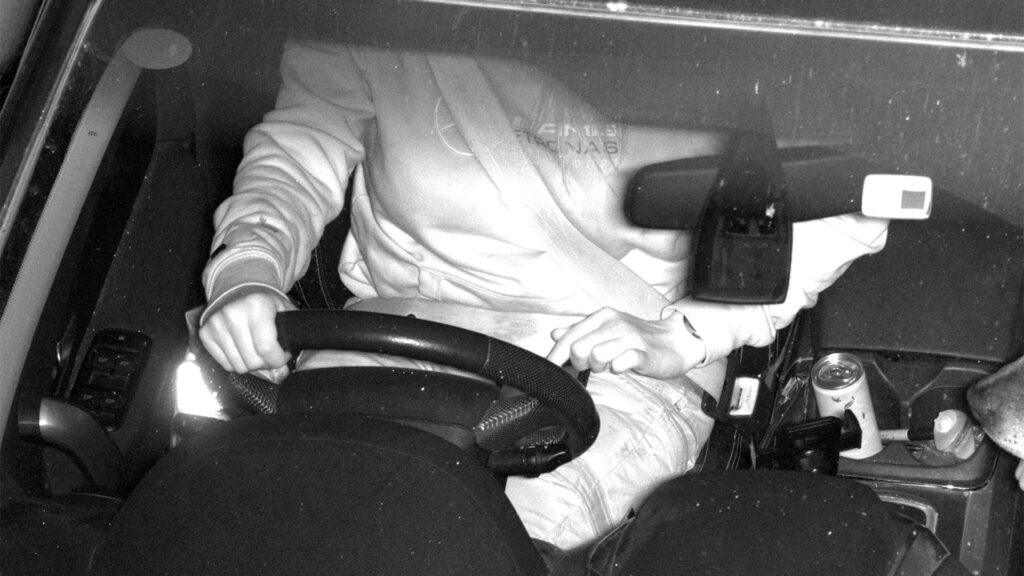
- New technology brought crimes in real time to law enforcement agencies
- Cameras are good enough to detect drivers with smartphones
- DPS commissioner says technology will not be used to issue tickets
The Mississippi Department of Information Technology Services board recently signed a contract with Australian AI-focused technology company Acusensus worth $2 million that will introduce special multi-violation traffic cameras to the state.
The technology, which is powerful enough to capture sharp, high-resolution images of vehicles and drivers at speeds of up to 300 km/h, is capable of sending images and data to traffic officers in real time, with the captured content available for use in a court of law.
Understandably, there has been a fierce backlash from residents who worried that the Mississippi Highway Patrol was going to start using AI-powered cameras to allow officers to issue tickets for violations caught on video, according to Mississippi’s Supertalk.fm.

In response, Sean Tindell, the state’s public safety commissioner, announced in a video posted on Facebook that his department signed the agreement to help it identify areas of the state that have “a higher likelihood of fatal crashes and accidents,” which would allow his team to “better allocate resources to those areas.”
While Tindell said fines would not be issued based on data received from the devices, some have been outspoken about introducing these types of “intrusive” AI-powered cameras in public.
“Cameras armed with AI, spying inside your car and processing your actions, invading your privacy and then directing a live officer on the road to pull you over and issue citations and/or make arrests in real time. It’s a very slippery slope with terrifying ramifications,” said House Rep. Dan Eubanks, according to Carscoops.
Analysis: Safer roads or an Orwellian future?
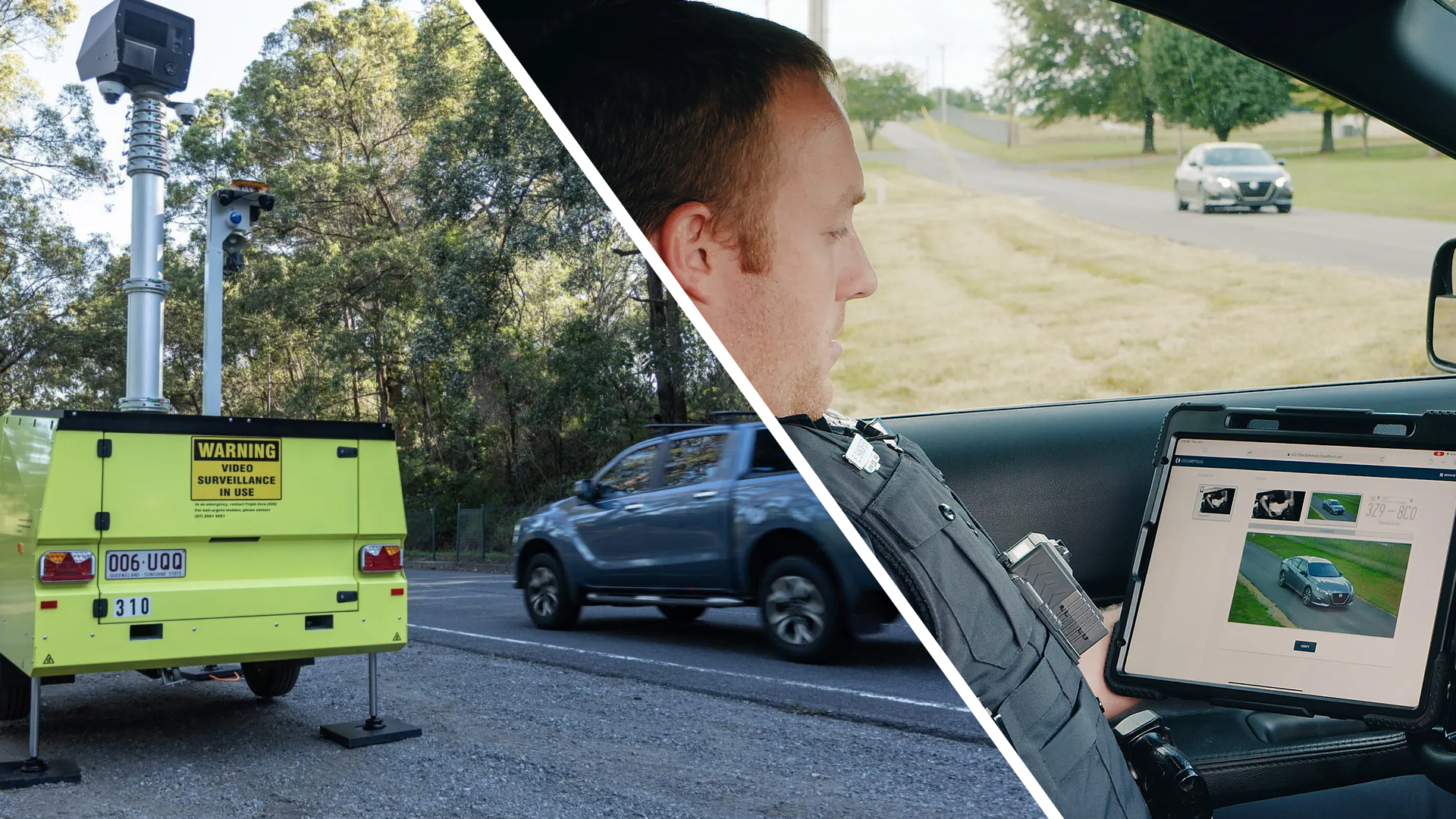
As Dan Eubanks noted, “every American citizen has a constitutional right to confront his or her accuser,” and one of the biggest concerns with AI-powered traffic cameras is that, along with a suggested ‘invasion of privacy,’ it potentially removes the officer from the equation.
In much of Europe, we have long lived with automatic number plate recognition (ANPR) cameras and speed traps that will automatically send penalty charges by post, so this doesn’t seem too strange.
That said, cameras that look inside the cabin of a vehicle and can detect misuse of technology or abuse of seat belt laws take things to a higher level.
It adds to growing concerns from certain privacy advocates around the use of technology to track citizens’ every move, as we recently reported on the steps some motorists are taking to avoid the growing number of automatic license plate reading (ALPR) cameras.
While it is often claimed that cameras have the potential to act as a deterrent to dangerous driving and catch offenders, there is growing concern that it also looks a lot like mass surveillance.

Follow TechRadar on Google News and add us as a preferred source to receive news, reviews and opinions from our experts in your feeds.


