
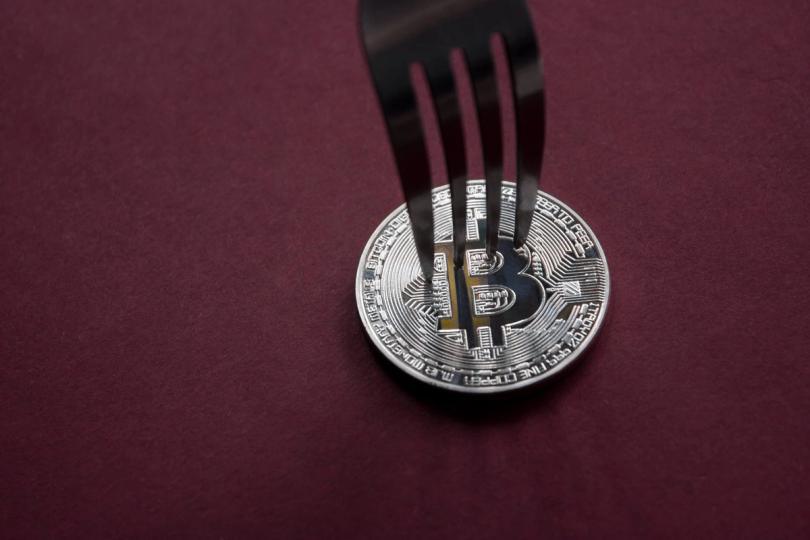
Two of Bitcoin’s most influential figures spoke out against it on Saturday. The strategy’s founder, Michael Saylor, posted that “there are 110 things more dangerous to Bitcoin than spam,” arguing that the proposal “turns a spat dispute into a consensus change that would invalidate some currently valid payment transactions.” Precedent, he wrote, is the real danger.
There are 110 things more dangerous for Bitcoin than spam.
BIP 110 turns a spam dispute into a consensus change that would invalidate some currently valid payment transactions.
That precedent is the danger. We should save our energy for the threats that really matter. $BTC https://t.co/LoSkl9XSo1
– Michael Saylor (@saylor) July 11, 2026
Adam Back, the Blockstream co-founder whose hashcash design is cited in the bitcoin whitepaper, made a similar case in greater detail, aimed at newcomers backing the proposal.
“Bitcoin respectfully says no to what you want,” he said, adding that their real recourse, if they are not convinced, is to band together and split up, but that “bitcoin will not come together.”
Supporting data shows what the broader market really thinks. BIP 110 does not rely on the usual path of overwhelming miner approval, but rather uses a user-triggered soft fork, a mechanism in which nodes enforce a rule, whether miners agree or not, set at a miner signaling threshold of 55% instead of the traditional 95%.
Support is absent even at that significantly lower bar.
Miner signaling has never increased above 1% in any period and remains at zero in the current one, with no major mining pool behind it, according to the BIP 110 signaling monitor.
Among the nodes that store and transmit the chain, adoption is in the low single digits, carried out almost entirely by Bitcoin Knots, an alternative to the dominant Bitcoin Core software.


