
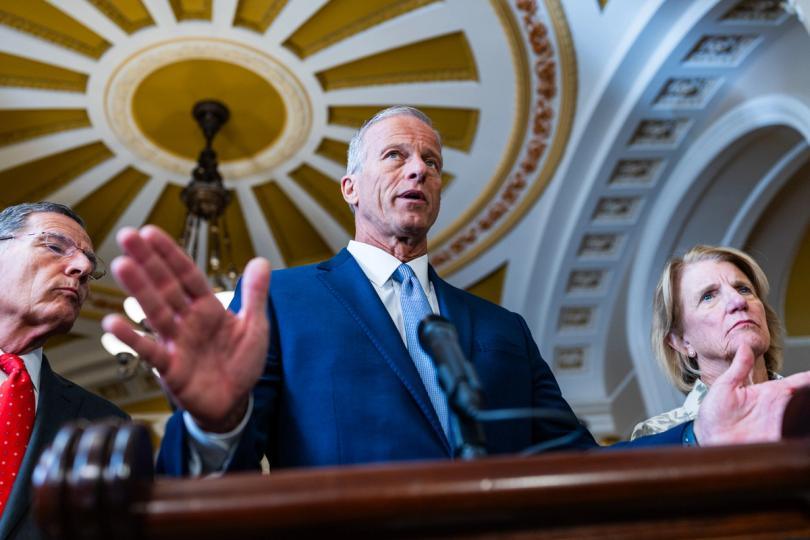
White House crypto advisor Patrick Witt responded to Thune’s comments in an interview with CoinDesk on Thursday, arguing that the first week of August should still be open to possible Senate action. Witt said he was “perplexed” by Thune’s sentiment and is “a little more optimistic,” though he agreed that the bill is unlikely to get a final vote in July.
“It’s the first week of August that the Senate is in session,” Witt said in the interview with CoinDesk TV. “So I wouldn’t rule it out.”
Midterm legislative elections will be held in November and lawmakers are expected to use their summer vacation to campaign. The House and Senate return for about three weeks in September, and if the Senate manages to pass Clarity, the House will still have to do the same.
Clarity, even more so than last year’s Guidance and Establishment of National Innovation for US Stablecoins (GENIUS) Act, is the cryptocurrency industry’s first priority in cryptocurrency policy, with the hope that it will finally secure a permanent legal basis for US crypto activity.
The full Senate process is a multi-stage affair that can take a few days or even longer to advance legislation past the 60-vote threshold needed in that chamber. At this stage, it is difficult to guarantee that the cryptocurrency bill will even gather a majority, as some Republican senators have also expressed concerns about its treatment of stablecoin performance and the language of the government ethics provision.


