
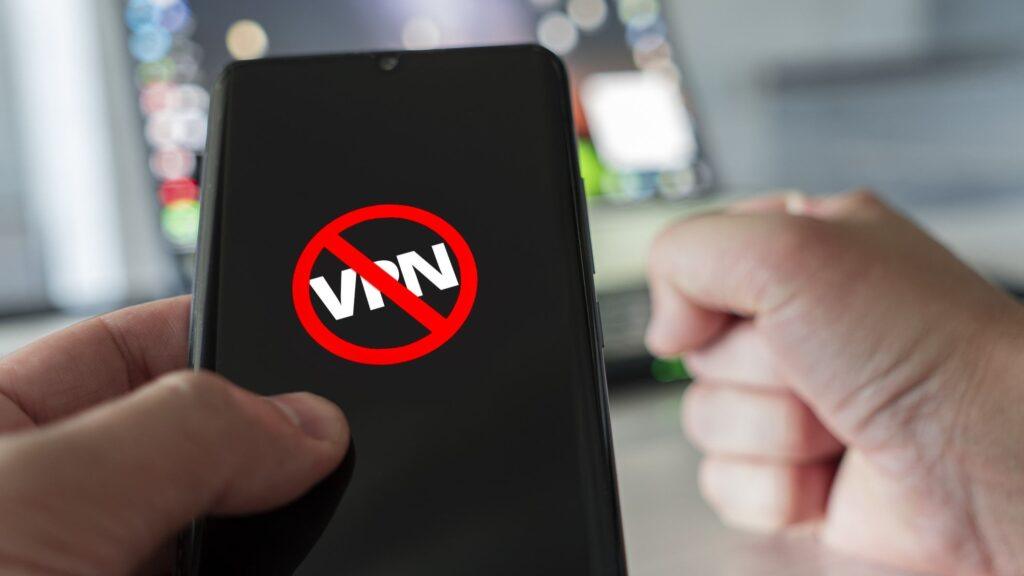
- Denmark wants to ban VPNs for streaming foreign and illegal content
- Digital rights groups criticize bill’s broad wording as feeling ‘totalitarian’
- The Danish Minister of Culture insists that the objective is to combat online piracy
The Danish government has sparked a firestorm of criticism after proposing a new bill that would make it illegal to use a VPN to access geo-blocked streaming content or bypass restrictions on illegal websites.
The proposal, part of a broader legislative effort to combat online piracy, has alarmed digital rights advocates who fear it could have far-reaching consequences for internet freedom in the country.
While many people use the best VPN services to improve their privacy and security online, they are also commonly used to access streaming libraries from other countries, for example to watch American Netflix from Denmark. According to a recent survey by the Danish Chamber of Commerce, 9% of Danes have used a VPN for this purpose.
The bill, introduced by Denmark’s Ministry of Culture, states that it would be prohibited to “use VPN connections to access multimedia content that would not otherwise be available in Denmark, or to avoid the blocking of illegal websites.” If passed, the law would take effect on July 1, 2026, and violators would face a fine.
The proposal was immediately condemned by privacy advocates. Jesper Lund, president of the IT Political Association, expressed deep concern about the bill’s ambiguous language, stating that it has a “totalitarian meaning.”
Lund argued that the current wording could be interpreted so broadly that it would not only criminalize streaming but also hinder the legitimate sale and use of VPN services in Denmark.
“Even in Russia it is not punishable to circumvent illegal websites with a VPN,” Lund told Danish broadcaster DR, noting that the proposed Danish law could go further than measures seen in more authoritarian states.
A pattern of controversial legislation
The proposed VPN restrictions do not exist in a vacuum and fit into a broader pattern of Danish legislative efforts that have been criticized by privacy experts.
The country has been a key supporter of the recent push for the EU’s controversial “Chat Control” bill, in effect a proposal aimed at scanning private digital messages for illicit content that critics have decried as a “disaster waiting to happen.” After initial plans stalled, Denmark submitted a revised proposal, advancing the bill to its final legislative stage.
This move follows other legislative trends, including a recent push to ban social media for children under 15, mirroring a similar ban in Australia.
Together, these initiatives suggest a growing willingness by Danish legislators to restrict online activities in the name of security and copyright protection.
Europe redoubles its efforts against online piracy
Across Europe, copyright holders have been doubling down on VPN providers recently. The Motion Picture Association (MPA) has been pushing for VPNs to take a bigger role in anti-piracy efforts, while broadcasters in France have successfully forced some VPNs to block access to illegal sports streams.
However, Denmark’s proposal marks a significant escalation by shifting legal responsibility from the supplier to the end user.
Responding to the backlash, Danish Culture Minister Jakob Engel-Schmidt responded by stating: “I am not in favor of outlawing VPNs and will never propose it. That is why critics have also completely misunderstood this bill.” He clarified that the intention is rather to stop illegal piracy.
As the bill is now available for consultation, digital rights organizations will be watching closely to see whether these clarifications will actually protect legitimate uses of VPNs or simply pay lip service to the significant privacy concerns that have been raised.
Follow TechRadar on Google News and add us as a preferred source to receive news, reviews and opinions from our experts in your feeds. Be sure to click the Follow button!


