The joint report by the Food and Agriculture Organization (FAO) and the World Meteorological Organization (WMO) concludes that Extreme heat is already causing the loss of half a billion hours of work each year, and its impacts will intensify as temperatures rise..
“Extreme heat increasingly defines the conditions under which agri-food systems operate,” said WMO Secretary-General Celeste Saulo, warning that it acts “as an aggravating risk factor that magnifies existing weaknesses in all agricultural systems.”
The report highlights how heat waves – prolonged periods of unusually high day and night temperatures – are affecting crops, livestock, fisheries and forests, while putting agricultural workers at serious risk.
A risk multiplier
Extreme heat is “a major risk multiplier,” said FAO Director-General Qu Dongyu, “placing increasing pressure on crops, livestock, fisheries and forests, and the communities and economies that depend on them.”
In all agricultural systems, the impacts are already visible. For many important crops, yields begin to decline above 30°C (86°F)leading to weakened plant structures and reduced productivity. Livestock experience stress at even lower temperatures, particularly pigs and poultry, which cannot be cooled efficiently, resulting in reduced growth, lower milk yields, and, in severe cases, organ failure.
In the oceans, rising temperatures are reducing oxygen levels, putting fish under pressure: 91 percent of the world’s oceans will experience at least one marine heatwave in 2024. Forests are also affected, as extreme heat disrupts photosynthesis and increases the risk of wildfires.
Extreme heat also amplifies other climate risks. It can trigger droughts, worsen water shortages, increase wildfire risks and accelerate the spread of pests and diseases, creating what the report describes as “compounding effects” that extend to entire ecosystems.
‘Serious impacts’ are a reality
In some regions, these impacts are already serious.
A heat episode in 2025 in Kyrgyzstan, for example, caused temperatures to rise. around 10°C above normal, contributing to a 25 percent decline in cereal harvestswhile causing locust swarms and reducing irrigation capacity.
Elsewhere, Prolonged hot and dry conditions in Brazil in 2023 and 2024 reduced soybean yields by up to 20 percent.while a major heat wave in North America in 2021 caused significant losses in fruit crops and a sharp increase in forest fires.
The human cost is equally severe. In parts of South Asia, sub-Saharan Africa and Latin America, The number of days too hot to work could increase to 250 per year. – putting millions of agricultural workers at risk and undermining food production.
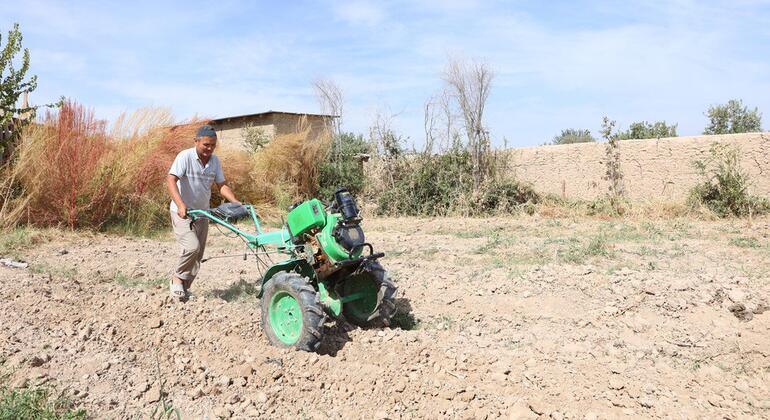
Extreme heat is changing agricultural conditions around the world, threatening food security and rural livelihoods. (file photo)
Call to action
To respond, the report calls for urgent adaptation measures, including heat-resistant crops, adjusted planting schedules and better agricultural management practices.
Early warning systems and access to financial support (such as insurance and social protection) are also essential to help farmers cope with increasing risks.
“Protecting the future of agriculture and ensuring global food security will require not only building resilience on farms but also… a decisive transition away from a high-emissions future,”, conclude the UN agencies.