
Insta360 is the major player in all-seeing 360-degree cameras and is no stranger to innovation, as it is also incubating the first 360-degree drone in 2025, the Antigravity A1.
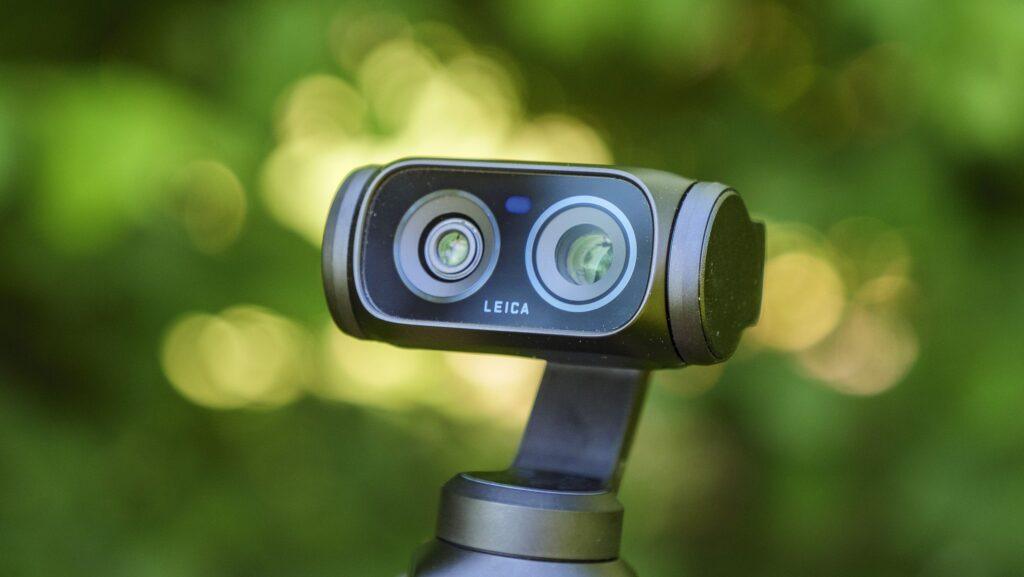
In another first, Insta360 recently launched a compact dual-lens vlogging camera, the Luna Ultra, which is a Wall-E-like robot that shoots 8K video, with a sleek detachable remote display and microphone.
And if a recent Weibo post by its founder and CEO Liu Jingkang, also known as ‘JK’, is to be taken at face value, the company wants to usher us into a new era of cameras.

JK’s Weibo post was picked up by The New Camera and after translation it says:
“Our product vision is to build a ‘Cameraman’, an intelligent photography robot capable of automatically composing shots and capturing moments like a professional photographer, allowing users to remain fully immersed in the present.
“Today, AI is evolving rapidly; we believe the videographer’s ‘brain’ is becoming increasingly more capable, opening up new possibilities for creative image creation.
“In the long term, the ideal end state for cameras is to become progressively imperceptible, even ‘disappear’, until recording is no longer effortless and becomes a natural part of life.”
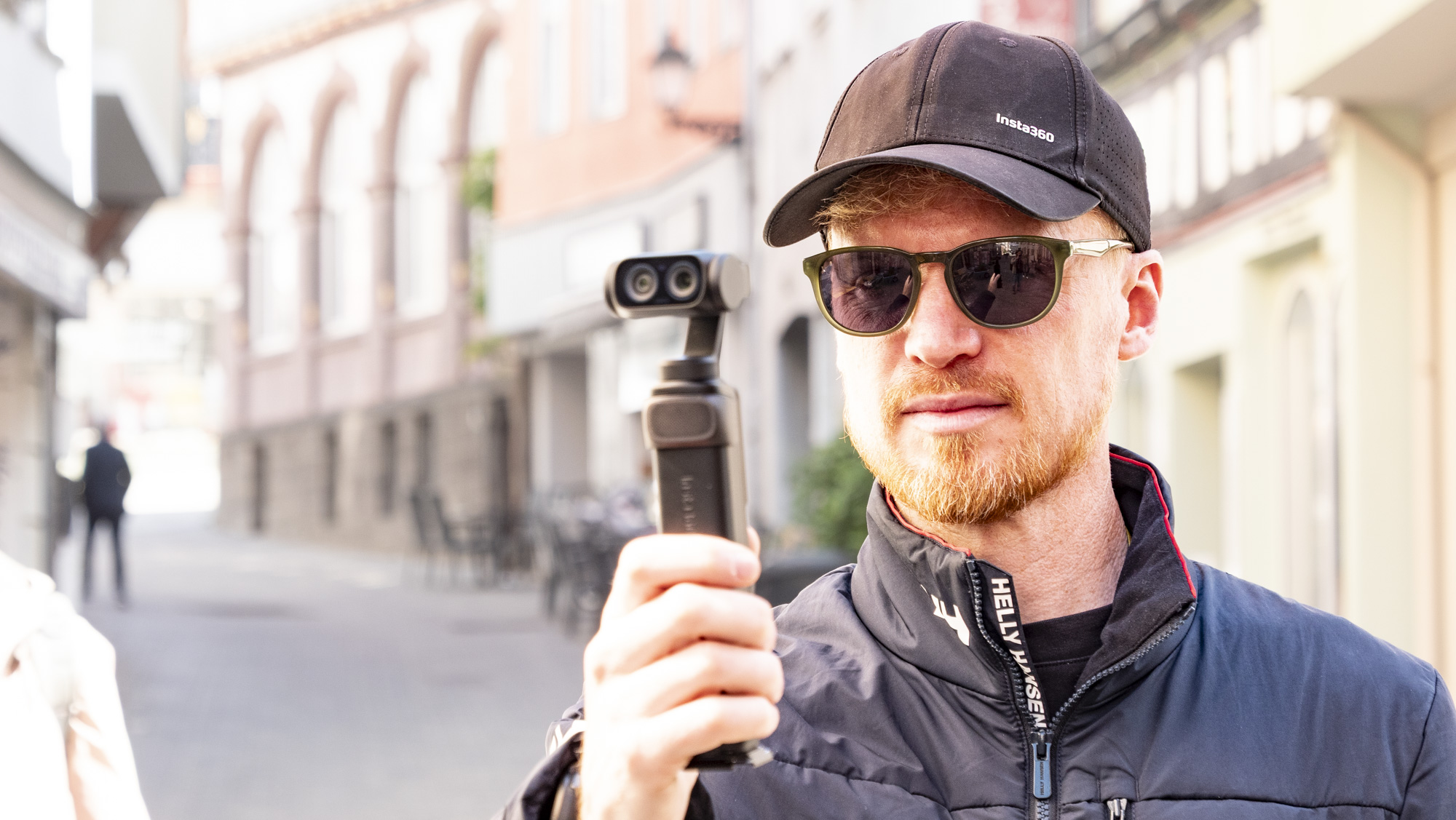
The Luna Ultra already looks like a robot, and there’s a POV head-tracking accessory available that syncs the camera with your head movement to film where you’re looking, somewhat automating its function.
Insta360 hopes fans will further caricature the Luna Ultra’s robotic features through a design challenge contest with Bamboo Laboratory, also. But as a photographer and, frankly, as a human being, JK’s post raises some serious questions for me.
Isn’t photography a human and creative activity?
JK’s post implies that his company’s future photography equipment could be autonomous photography ‘robots’ that can compose, take and edit photos and videos on the fly, with little or no human involvement.
It sounds like having your own smart videographer and editor (a much more sophisticated handheld ‘photo robot’ than the recent Beni camera robot) that follows you and is able to capture the moment while you enjoy it and put the best parts together on a roll, with the entire workflow depending on AI.
To be honest, this imagined future might sound better than the current reality: a future where people walk around with handheld cameras, filming themselves front and center, rather than being in the moment.
And certainly, when it comes to 360-degree clips, a smart editor that can suggest where the action is at any time and put the edit together appropriately for you is a huge time saver.
Specifically for the Insta360 team, JK’s vision of smart, autonomous cameras makes sense. But as a photographer and creative, the idea of a ‘robot’ doing the job for me kinda sucks. However, it’s the last part of JK’s post that worries me the most.
Is it really okay to record everything?
JK’s post describes an “end state for cameras” that is progressively “imperceptible” and “a natural part of life.” In other words, traveling cameras that the public eventually gets used to, recording anything. So what about consent?
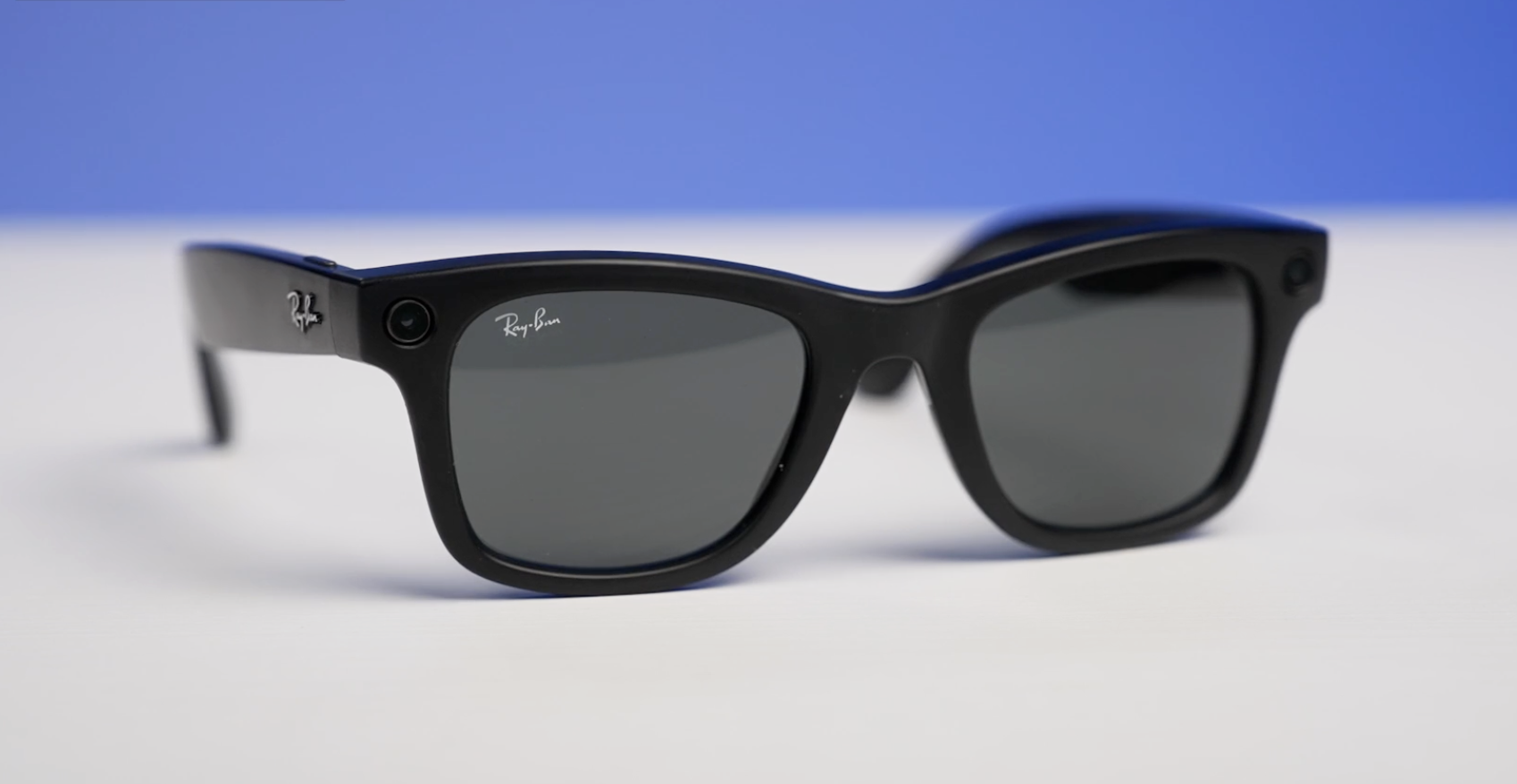
Discreet camera technology is already causing privacy concerns, with growing backlash towards wearable cameras, especially Meta’s Ray-Ban smart glasses, after it was discovered that modders could disable the light that indicates the glasses are recording, and a fix had to be implemented.
Cameras are already common in the public, especially in tourist places. But they are mostly controlled by people with a general sense of what is and is not okay to photograph or record. And when someone crosses the line, it’s at least possible to ask them to stop filming. But in the imagined future of Insta360? Autonomous robots filming everything sounds like a privacy nightmare.
I asked Insta360 for comment and clarification on the post, specifically what exactly a smart photography robot looks like and how the company will address any related privacy issues, and I’ll let you know if I learn more.

Follow TechRadar on Google News and add us as a preferred source to receive news, reviews and opinions from our experts in your feeds.


