

- New independent research suggests China is stepping up its crackdown on VPN use
- One censorship expert suggested that a new censorship effort began in April.
- Outbound web traffic remains incredibly low in China
New research and independent reports from mainland China suggest that the Chinese government is increasing its suppression of VPN use.
Research from the Global Public Policy Institute (GPPI) focused on the Xinjiang Uyghur Autonomous Region (XUAR) in northwest China estimates that at most 4% of all outbound internet traffic was via VPN to a banned website in an average week.
The report was compiled over several months from more than 100,000 documents from the Chinese company Geedge Networks.
China is well known for its Internet censorship policies, and many major Western websites are banned or very difficult to access through officially sanctioned networks.
GPPI’s research also notes that the XUAR may be an outlier compared to the rest of mainland China due to the continued oppression of the native Uyghur population, leading to increased caution and self-censorship.
Still, this estimate puts VPN usage at much lower levels than we see in the West. According to NordVPN’s VPN 2025 survey, VPN usage reached 29 percent of the total population in the US and UK in 2025.
The investigative report says: “Whether through technical means or intimidation, Beijing has managed to curb citizens’ ability to access many of the foreign platforms that many people outside of China use without a second thought.”
A recent report from Australia’s ABC News (no relation to the US network) suggests that Beijing began a new effort against VPN use in April 2026.
Speaking to ABC, US-based censorship analyst Eric Liu said network providers in China were asked to block all VPN services from accessing their networks.
He added that VPNs would be suppressed at certain times on the calendar to limit communication, such as around the anniversary of the Tiananmen Square incident on June 4.
China’s telecommunications industry is highly centralized and the authoritarian nature of its government means that official access to user information is common and public knowledge.
The ABC report also includes interviews with two people affected by increasing government pressure on VPNs. Both used anonymous pseudonyms.
Lin used a VPN to keep up with news and celebrity updates on Instagram while she was in high school, but found the same VPN to be much less reliable when she returned to China after studying in Austria.
Hong Kong resident Billy told ABC that the VPNs he relies on during his visits to mainland China were becoming harder to access: “It’s getting harder to find stable VPNs; China has recently been very active in banning VPN services.”
In fact, the GPPI report found an increase in WhatsApp usage between May and June 2023, when authorities would be on “high alert” if the infamous incident were mentioned, but traffic to WhatsApp still represented only 2 percent of outgoing Internet traffic in that period.
Are VPNs available in China?
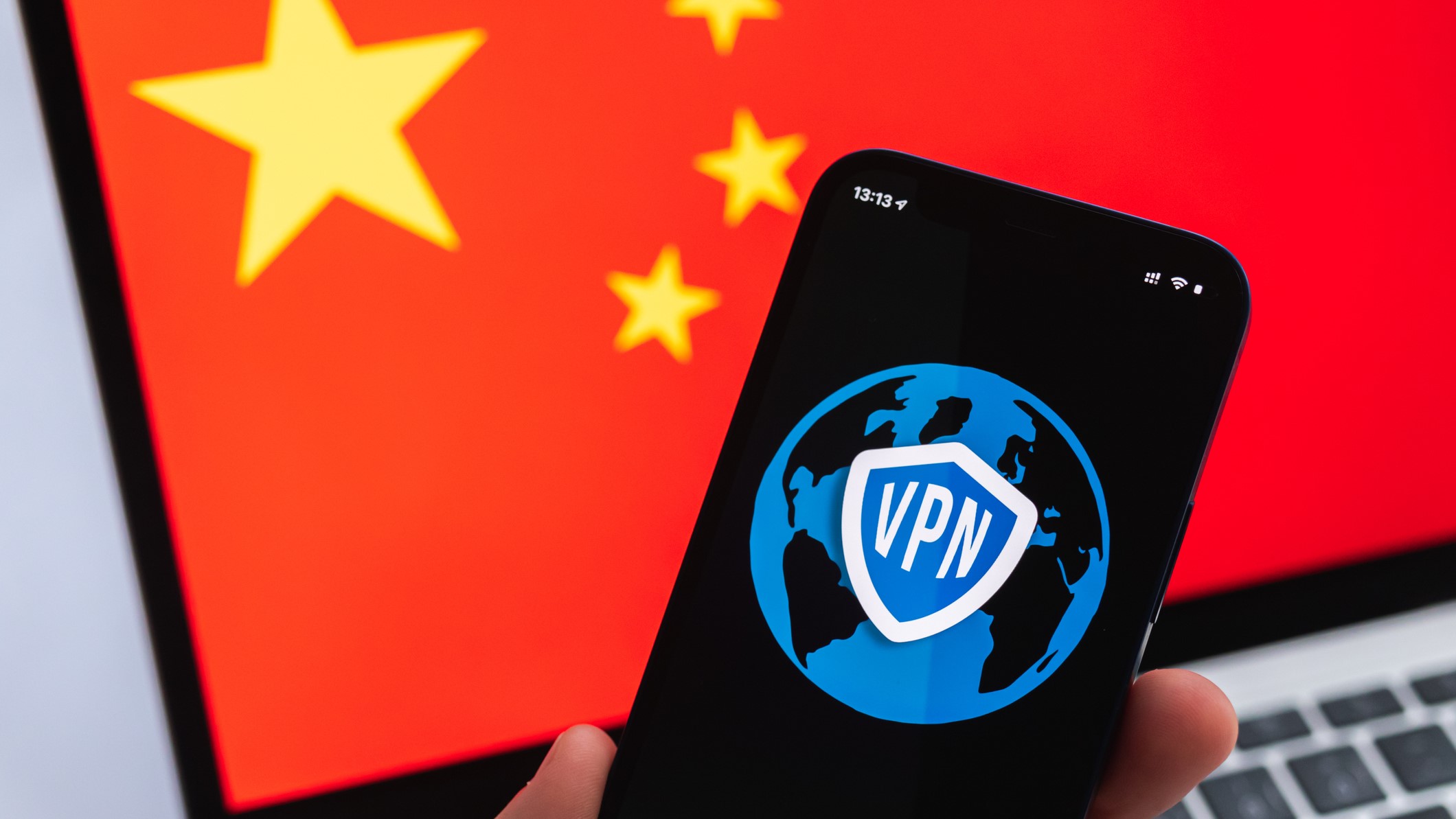
When we talk about China cracking down on VPNs, we need to be clear that we are talking about those that Chinese authorities consider unauthorized.
VPNs are technically available in China, but typically allow government monitoring of all traffic and may require special permission to access.
Did you know?

We test VPNs in China regularly. These VPNs have no association with the Chinese government, ensuring your data remains secure and you retain access to the services you need when traveling in the region. For more information, check out our guide to the best VPNs for China.
The GPPI report identifies that companies can use VPNs to access productivity apps that would otherwise be prohibited, allowing Chinese and, for example, American businesspeople to collaborate on a Google Docs file.
However, the things we consider when talking about the best VPNs (security and the ability to keep prying eyes away from your online activity) are not a given with China’s state-sanctioned options.
How is China preventing people from accessing the Internet in general?

The infamous Great Firewall of China blocks a large number of websites and apps that the rest of the world trusts. The methods by which the government enforces this policy range from deterrence to intimidation.
On the lighter side of the coin, China partners with native developers and encourages them to produce online apps and services for the Chinese population. While the West has WhatsApp, Facebook and YouTube, China has WeChat, Bebo and Douyin.
Then there are the technical methods that, as ABC mentions, much of the Chinese population does not understand and cannot overcome without using prohibited methods, such as unauthorized VPNs.
Finally, there are more punitive measures. The GPPI report links to a New Yorker investigation, which found that a man in Xinjiang was detained in an overcrowded prison for having WhatsApp installed on his phone.
Why is China cracking down on VPNs?

The Great Firewall is far from a new phenomenon: for as long as China has had access to the Internet, it has been subject to central government oversight.
As TechRadar recently reported, VPN use is becoming more popular in the UK and is seeing steady growth around the world. China’s latest crackdown could be an effort to suppress a similar wave of popularity in its own country.
Billy, who spoke to ABC News, added that he had previously used LetsVPN in mainland China, but in April, LetsVPN suspended services in the region due to the “impact of continued internet blocking.”
VPNs are ultimately businesses, and by making them harder to use, China can strangle cash flow to smaller providers and lead to these types of shutdowns.
And with fewer and fewer options available, more of China’s 1.4 billion residents will have to rely on heavily monitored and easily censored government channels for their Internet needs.


