
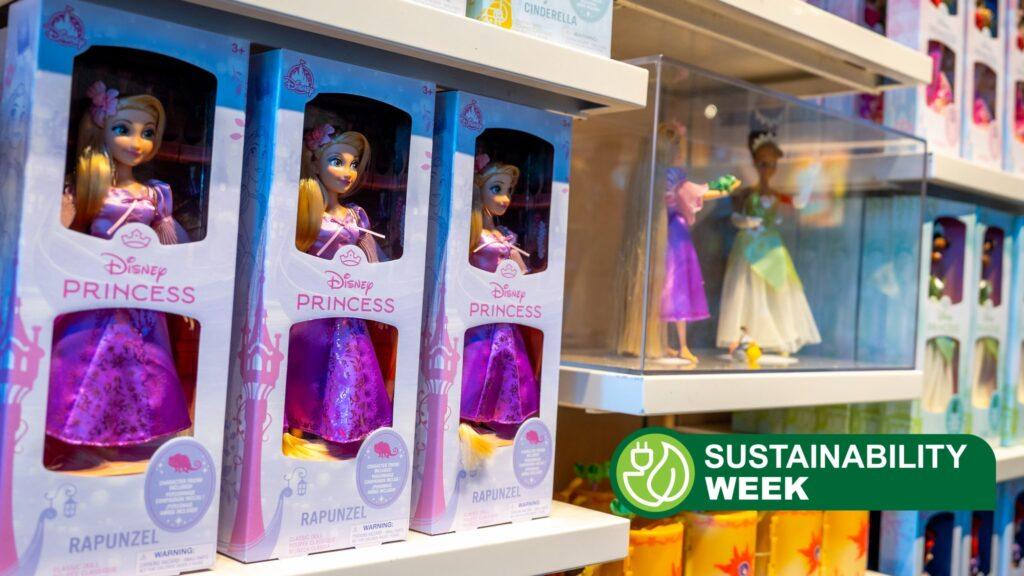
Sustainability Week 2026
This article is part of a series of sustainability-themed articles we are publishing to commemorate Earth Day 2026 and promote more sustainable practices. Check out all our Sustainability Week 2026 content.
When most people think about the latest Disney action figure or doll, they probably focus on the pose, the accessories included, or deciding which one to take home or add to the cart.
As part of Disney’s broader Earth Month efforts, which also include a new solar site at Walt Disney World, the company has been reconsidering how its Classic Dolls are packaged. These are the quintessential gifts for fans of the Disney Princesses and other iconic characters, whether they pick them up after a trip to the parks, at a local Disney store, or order them online.
Article continues below.
That kind of rethinking of packaging is important at scale. As the world’s largest licensor, Disney generates approximately $62 billion in annual global retail sales, spanning more than 100 product categories in more than 180 countries.
Disney has been moving away from traditional plastic-heavy window boxes toward an entirely paper-based, plastic-free design that aims to be easier to open, easier to recycle, and better for display.
The result is a redesign that now spans 15 classic dolls, including Ariel, Belle, Cinderella and Tiana, with more characters launching later in 2026.
The first wave is now available at Disney Stores and Disney Parks in the United States, as well as online through DisneyStore.eu and DisneyStore.com.au. A broader launch is planned across EMEA later this year, followed by APAC and LATAM in 2027.
Less packaging, more play
According to Majoras, the redesign was not just about sustainability, but also about improving the entire consumer experience.
“The redesign was always a balance between sustainability and thoughtful design,” he explained.
Starting in 2021, the Disney team began looking for ways to reduce material use while simplifying how families interact with the product.
The latest version uses almost 40% less material than Disney’s first plastic-free design, while restoring something that matters to parents and children: seeing the doll clearly before purchasing it.
Instead of being blocked by a plastic front window, the new packaging puts the doll front and center and even creates a more interactive presence on shelves.
Perhaps the best part, however, is that gone are the excessive ties, plastic fasteners, and frustrating opening experiences that have become one of the most universal complaints about toy packaging.
Instead of multiple hand-assembled tie-down points, the new format primarily uses one outer box and a single insert, helping families spend less time opening the package and more time playing.
The engineering challenge
Image 1 of 2
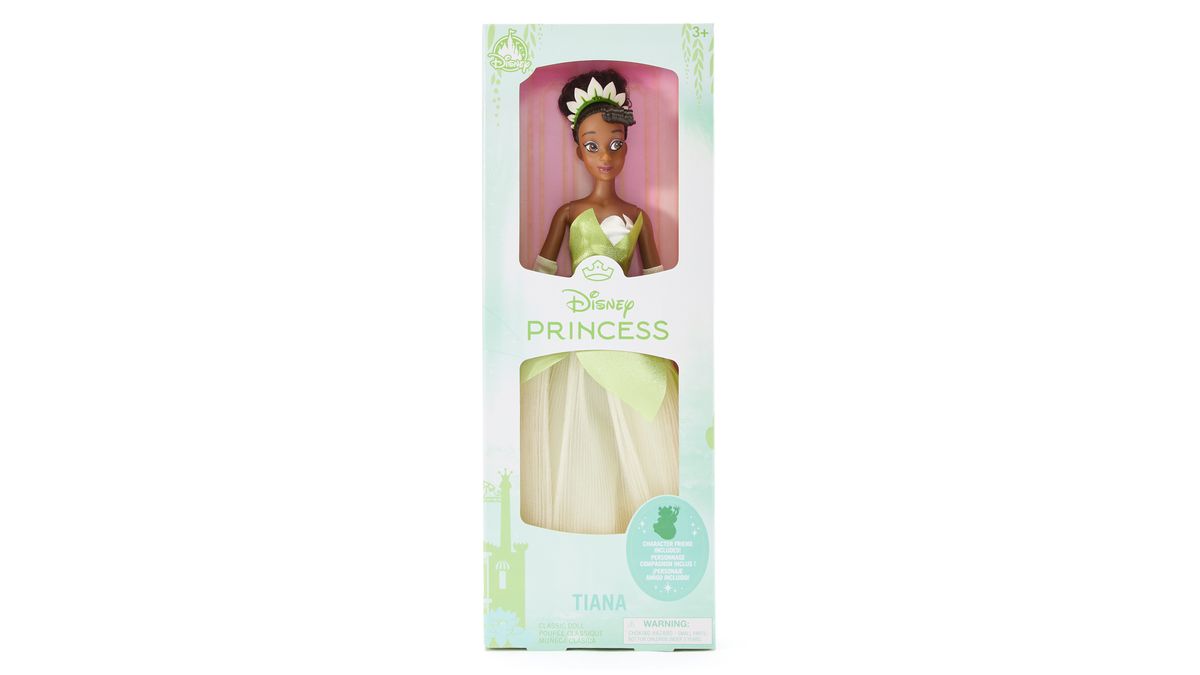
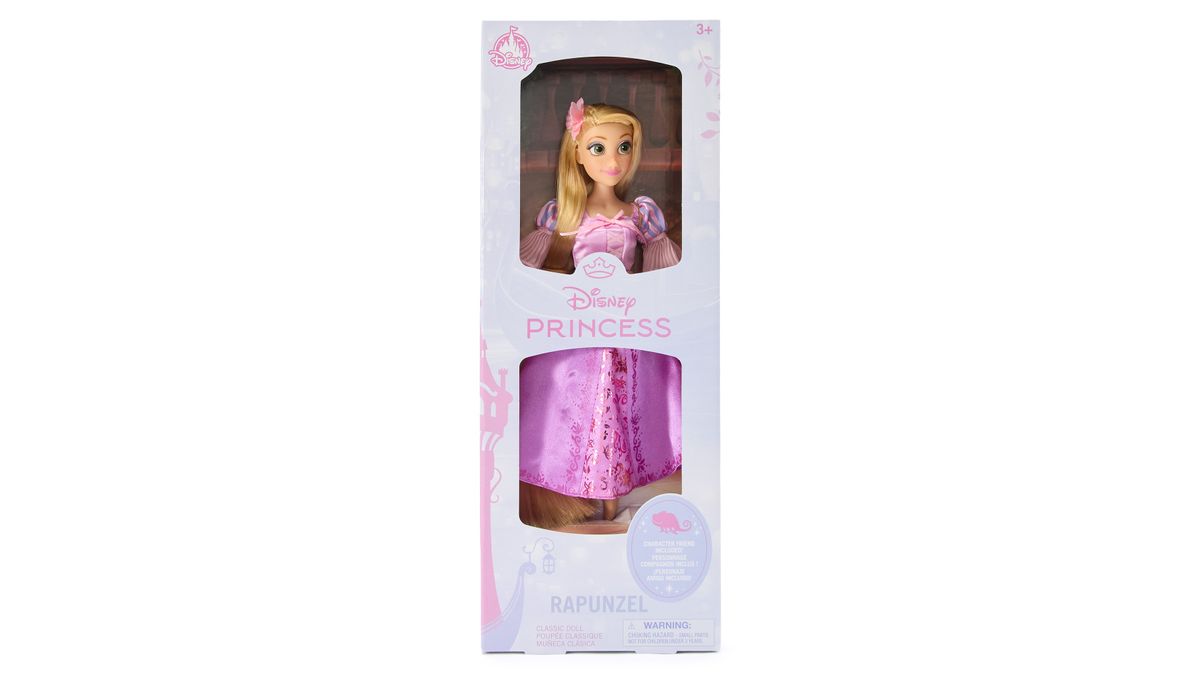
One of the biggest technical hurdles was figuring out how to remove the clear plastic window without sacrificing presentation or wrist protection.
Traditional toy packaging relies on plastic for more than just visibility: it also helps provide structure and protects accessories during shipping and in-store handling. So moving to an open, entirely paper-based design meant Disney had to rethink the entire structure.
“The biggest challenge was the presentation,” Majoras said. “Maintaining the style and proper display of the doll and accessories while completely eliminating plastic from packaging.”
This led to extensive testing on paper-based retention systems and how the internal insert interacts with the die-cut front opening.
A clever detail that shoppers would probably never notice: The doll’s feet are hidden under the bottom platform of the box, helping to protect footwear and accessories while keeping the doll fully visible on shelves.
The redesign also improves durability during transportation, even before it hits store shelves. The outer box now uses corrugated cardboard, which provides greater rigidity and better resistance to dents and wrinkles compared to previous designs that relied more on plastic components.
That’s important not only for sustainability but also for logistics, especially when Disney products are sold in more than 180 countries and 100 product categories.
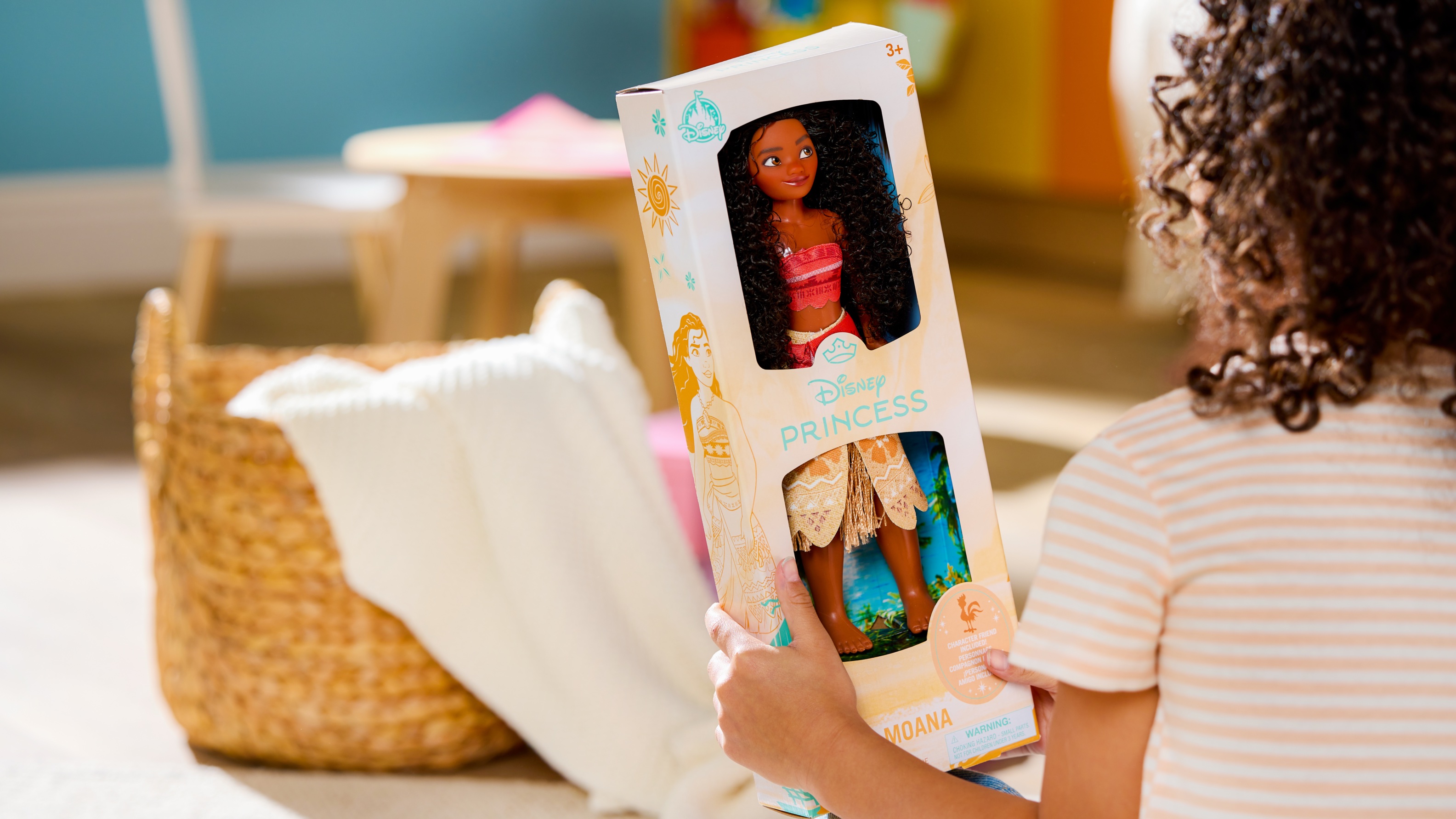
The new packaging is made from certified sustainably sourced paper and is widely recyclable, aligning with Disney’s broader efforts to reduce plastic use and increase the use of recycled and responsibly sourced materials in all consumer products.
While the Classic Doll redesign is one of the most visible examples, Disney says the broader goal is product-by-product improvement rather than a single universal packaging formula.
“Our approach to sustainability is based on product excellence and practicality,” said Majoras. “We invest in research and development to advance sustainable solutions and apply them where they make sense for the product, the guest experience and our global portfolio.”
For Earth Day, it’s a reminder that sometimes the most significant sustainability improvements aren’t flashy new gadgets, but design decisions hiding in plain sight on store shelves.
And in this case, even a Princess box could get a smarter upgrade, and who knows what toy could get this treatment next.

Follow TechRadar on Google News and add us as a preferred source to receive news, reviews and opinions from our experts in your feeds.


