
- Despite the Tesla trademark application, the Megapod concept already exists
- The Megapod trademark is the property of another person.
- Nvidia and others already dominate this market
Tesla has filed a trademark application for ‘Megapod’ as the company begins to expand beyond electric cars, batteries and solar energy. Already with its fingers in autonomous transportation and humanoid robotics with Robotaxi and Optimus, the company is now looking to build a modular AI data center infrastructure.
Although the filing is based on an intent-to-use application, meaning there is no commercial product available yet, it describes a self-contained AI computing platform that includes servers, AI hardware, networking equipment, power distribution units, cooling, and software.
However, the project and the associated trademark application have already hit three big walls: the concept already exists, the ‘Megapod’ brand is already owned by someone else and the market itself is heavily populated with Nvidia, Huawei and others already more established.

Tesla already uses the ‘Mega’ naming strategy, as demonstrated by its Megapack. A battery system offering a similar business proposition to the proposed Megapod, consisting of complete factory-built modules that can be rapidly deployed with minimal on-site assembly or construction.
Instead of customers building servers, networking, cooling and other infrastructure on-site themselves, Megapod could arrive as a plug-and-play AI data center, expandable thanks to its modular design.
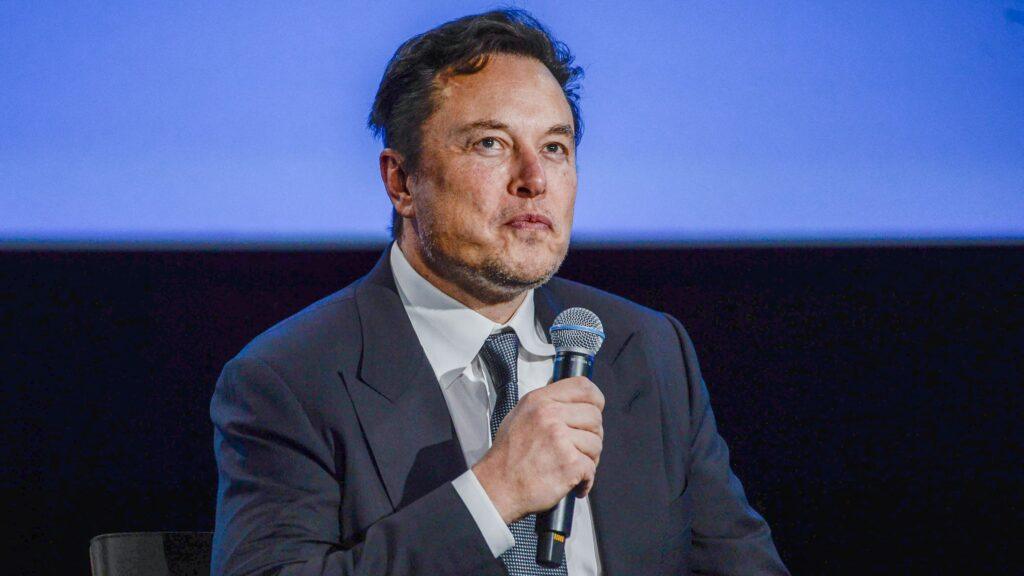
The news comes about a year after Musk’s company reportedly shut down its Dojo AI training computer project, indicating it is no longer targeting the AI chip market. It now appears that Tesla could pursue a more complete physical infrastructure using existing chips.
Mitsubishi already has its own MegaPod and already has a registered trademark. And it’s not the first time Musk has faced trademark complications, failing to acquire a Robotaxi brand for being too generic and facing delays on the Cybercab brand after another applicant got there first.
Submer even sells its own MegaPod, described as a data center in a box, adding to the naming complications.
Is there room for Tesla to join the market?
Trademarks aside, if Tesla were to launch a Megapod-type product, it would face stiff competition from established rivals. Nvidia’s DGX and HGX platforms are already common in enterprise deployments, and Huawei has also developed its own solutions based on its Ascend accelerators. Server manufacturers like Dell and HPE also have their own hardware.
However, Tesla could bring its broader experience to the market to attract some customers to its ecosystem. Integration with your Megapack could, for example, provide you with an uninterrupted power supply – xAI has already purchased $1 billion worth of Megapacks. Purchasing power and other internal efficiencies could also keep costs down.
While the company doesn’t really have an existing enterprise customer base, AI startups could sell its technology.
Integrated cooling could also be a major selling point, as thermal efficiency is now almost as important as the performance of the chip itself. Nvidia, for example, has already introduced next-generation liquid cooling specifically for its Rubin systems.
As for what’s next, given Musk’s track record and that of his companies, we’re probably more likely to learn about any potential Megapod developments through X releases or surprise releases, rather than official blog posts and announcements.

Follow TechRadar on Google News and add us as a preferred source to receive news, reviews and opinions from our experts in your feeds.


