
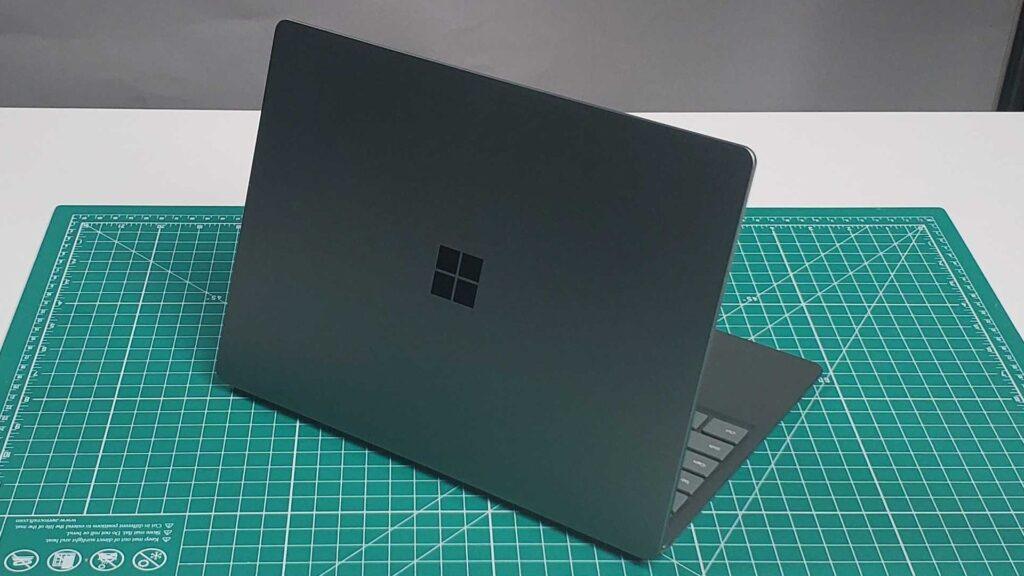
- A video showing the Neo’s apparent strengths against Windows laptops went viral on X
- It wasn’t a fair comparison, as Microsoft’s response points out, but the reaction of the computing public is even more telling.
- There is also a rumor circulating that Microsoft has abandoned a couple of more affordable Surface devices.
These are tough times for laptops, with the RAM crisis driving up prices, and Microsoft took the opportunity to launch a counterattack on the MacBook Neo, following Apple’s recent price increases; It’s not that the Surface line isn’t suffering, with rumors of more misery in the form of canceled models.
Windows Latest spotted the controversy surrounding Windows laptops and the MacBook Neo, which was not started by Microsoft, but by a video that went viral on
As Windows Latest points out, the video actually uses an HP Victus gaming laptop, and this is not a fair comparison. Why would you compare a budget gaming laptop to the Neo? Additionally, some of the points raised, such as the level of flexibility in the lid of the HP model, are obviously cherry-picked to show the worst of Windows 11 devices compared to Apple’s budget creation (flexibility being a known issue for the HP laptop).

Clearly, we’d have a very different video if we looked at the gaming prowess of the MacBook Neo versus the HP Victus. (No, it wouldn’t make sense to do that either, but this just underlines the ridiculous idea of comparing a Windows 11 gaming laptop to an Apple laptop.)
In any case, the success of the video prompted Microsoft to respond, with the official Windows on
Microsoft’s post goes over some of the benefits of the Dell steps in to support Microsoft here.
And it’s fair enough for Microsoft to defend itself, given that the original video is biased against the Windows 11 side of the laptop world. (Not that Microsoft is above employing these types of tactics, of course.)
But problems nevertheless arise, firstly, from recent events with the Surface line and, secondly, from the painful reaction to Microsoft’s rejection of this MacBook Neo promotion.
Superficial problems and a larger problem of ingrained perceptions
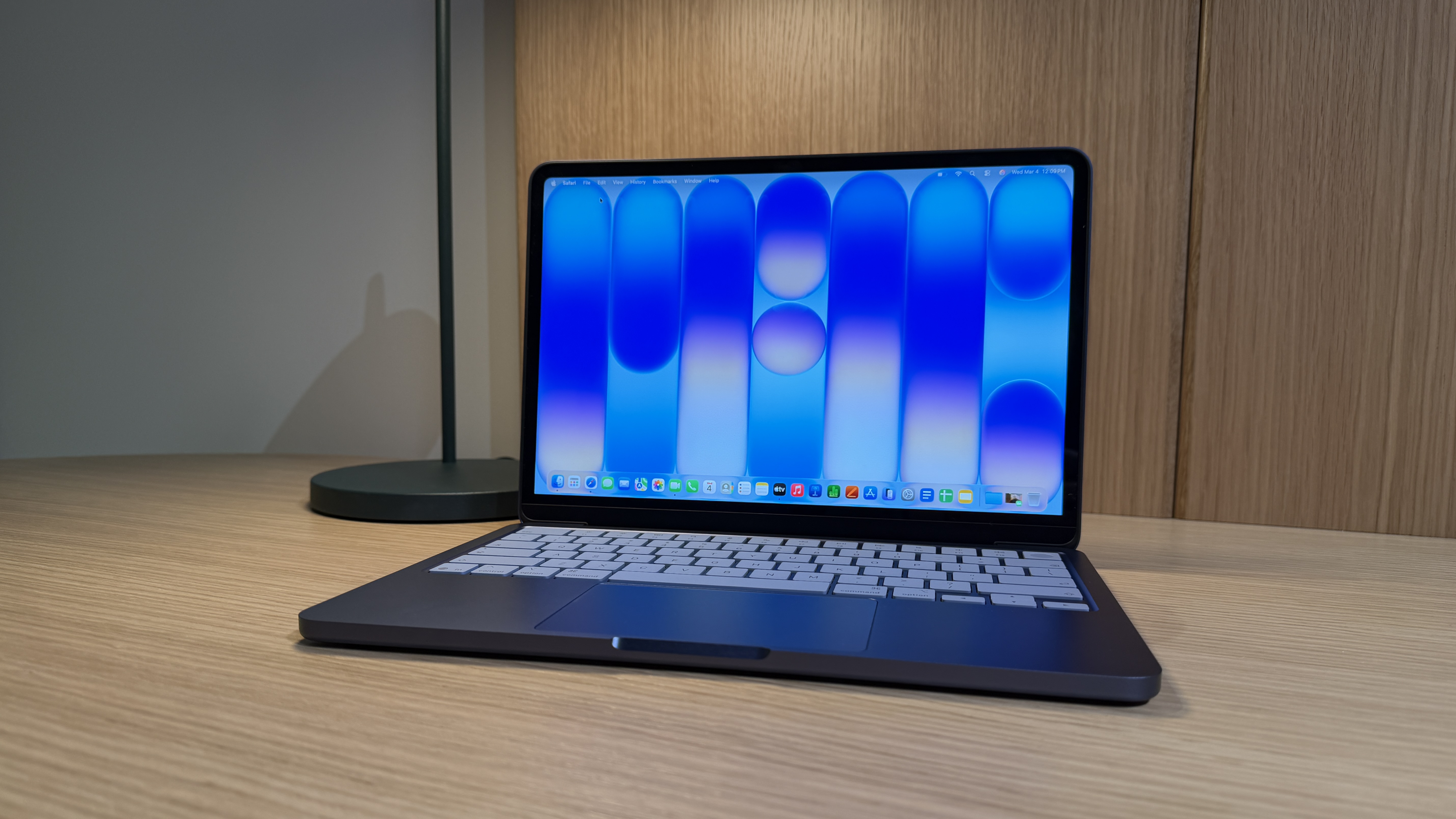
If we’re going to talk about pricing, one obvious stumble from Microsoft lately is that it’s slapped eye-watering price increases on the Surface range. These were really sizable increases, even if Apple just rolled out its own increases for Neo and other MacBooks. (And yes, it’s quite true that while the Neo’s cost increase was relatively slight, it has certainly diminished its appeal compared to budget Windows 11 laptops.)
What’s more worrying, however, is the rumor that Microsoft is abandoning the more affordable models in its laptop range. Windows Central reports that the Surface Go 4 and Surface Laptop Go 3 are out of stock at most retailers and Microsoft apparently has no plans to make any more of these devices. There won’t be any next-gen replacements coming for these cheaper Surface laptops either, if Zac Bowden’s sources are correct.
To be fair, the Surface Laptop Go 3 has effectively been replaced by the Surface Laptop, although the latter still starts at a higher price, around 20% more expensive in fact (and that’s with the latter’s new cheaper 8GB model). And the Surface Go 4 will certainly be missed as a budget option, even if it were a device aimed at businesses. As Bowden points out, it seems like the Go 4 was a popular device in the business space with a decent price, even if our review didn’t match that sentiment.
However, Surface pricing and rumors aside, the most notable concern for Microsoft here has to be the reaction to its response against the MacBook Neo in
As one poster succinctly puts it: “The problem with Windows machines is that they have Windows.”
Others in that Reddit thread echo the same sentiment, if not with a more scathing and pronounced version, and it’s the same story in the responses to Microsoft’s response to
What this illustrates is that despite the obvious improvements in modern Windows 11 laptops, of which the Dell Okay, so those detractors may be louder than those in the more Windows-happy camp, but there’s still a lot of negative sentiment to overcome for Microsoft, which is made pretty clear when the company tries to blow its own trumpet in this way.
I actually think Microsoft has done very well with the improvements made to Windows 11 so far this year, and I expect progress to continue through the rest of 2026. Frankly, some of the most ingrained perceptions about Microsoft’s desktop operating system will need to start changing, and all of that will continue to be an uphill struggle, as this episode aptly illustrates.

Follow TechRadar on Google News and add us as a preferred source to receive news, reviews and opinions from our experts in your feeds.
The best laptops for all budgets


