
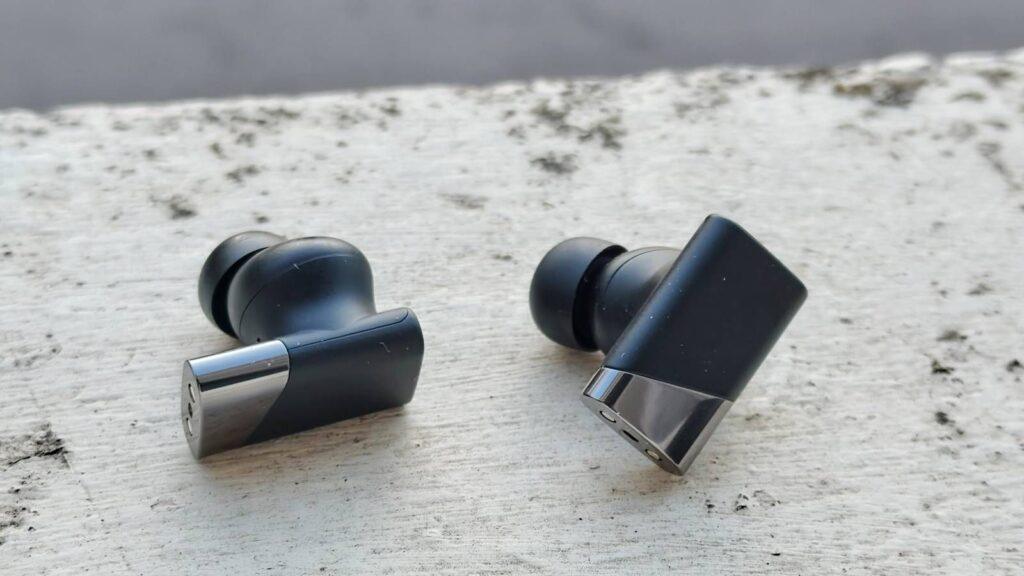
- Knowles has found a way for headphones to use balanced armature drivers
- This could allow future headphones to offer greatly improved sound qualities.
- Currently no hearing aids offer this technology, only hearing aids, but they will
While headphone manufacturers have been striving to include more and more drivers in their headphones – the Soundpeats H3 have three and cost less than the AirPods Pro 3 (which don’t have three), while the Status Between 3ANC shown below has dual balanced armature drivers and a 10mm dynamic driver – it’s a race that hasn’t yet caught up with the best headphones.
Hold the phone: has now it has arrived, thanks to Knowles’ new design. The company, best known for its Balanced Armature (BA) driver because in 1955 Hugh Knowles invented it for the headphone market, believes it is finally ready to revolutionize the headphone game.
Knowles has introduced a new hybrid headphone design, allowing its small, lightweight BA drivers to sit alongside the much larger dynamic drivers typical of on-ear designs. While the dynamic driver would handle the same old frequencies (usually the low-end ones), the BA driver would add a bit of high-end brightness.

Basically, the headphones may soon ring batch better and have much more space under the headphones to add additional functions.
At the time of writing, no headphones have been introduced with this technology, but hopefully, we’ll start seeing cans benefiting from it very soon.
Knowing me, knowing you (ah haaa)
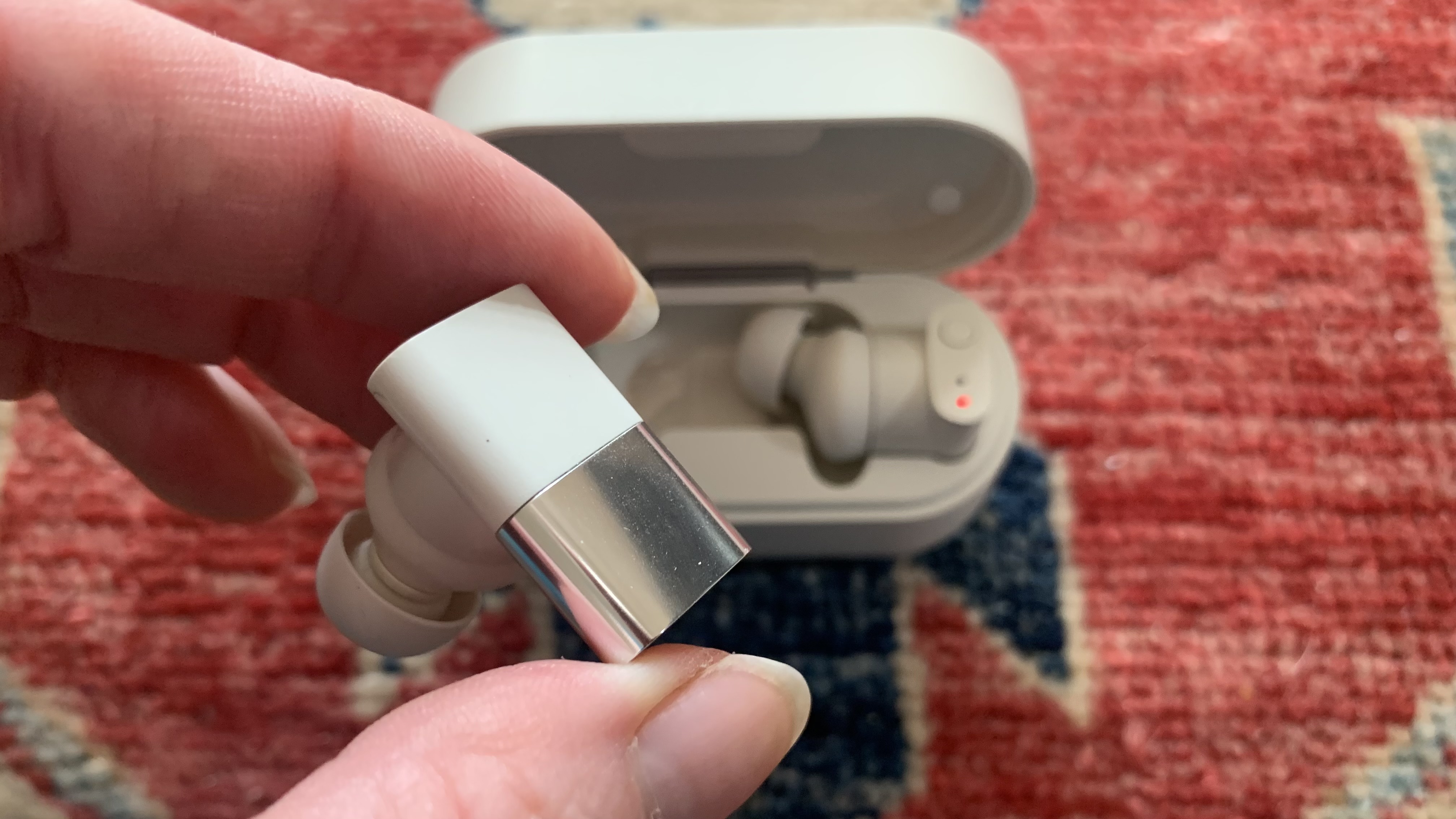
Traditionally, most headphone manufacturers have believed that multi-driver systems in headphones are a bad idea. It’s a shame, because in headphones, each driver can focus on a different range of frequencies, rather than relying on one to do everything it can. And when done right (check out Campfire Audio’s range for several great examples), it can sound absolutely sublime.
For a combination of reasons such as phase avoidance, complications with spatial audio tuning, and ear positioning, most (although not all) headphones have a single driver. This is because the drivers are further from your ears than on headphones, where they are very close to your ear canal, which complicates things.
However, BA drivers are popular for being small and lightweight, thus adding much-needed versatility within acoustic architecture.
Knowles’ design for cans features a dynamic driver with two BA drivers, which sit in front of the dynamic unit, pointing precisely at your ears.
According to Knowles, this is one of the main attractions: a hybrid design can be used “without significantly changing industrial designs, comfort or overall product dimensions.” Therefore, they will not be heavier than standard cans; If anything, they could be lighter.
However, reading between the lines, it seems that a precise fit will be even more important in over-ear headphones with this architecture. I imagine it rules out the technology being implemented in headphones, which have always seemed quite baggy to me, and possibly in workout headphones as well, due to the natural vibration of exercises.
Knowles has already installed BA drivers in headphones from JBL, Status (pictured above this text), JLab, Edifier and Baseus, so these companies may well be the first to take up Knowles’ offer and launch over-ear headphones using this technology. But only time will really tell, so for now we must wait.
The best noise canceling headphones for all budgets

Follow TechRadar on Google News and add us as a preferred source to receive news, reviews and opinions from our experts in your feeds.


