
- Samsung SVP says Galaxy Ring 2 is officially in development
- It could come with a number of design updates, as well as deeper integration with other Samsung devices.
- The biggest improvement is iOS support, a first for Samsung wearables.
When Samsung launched the Galaxy Ring in 2024, it jumped to the top of our list of the best smart rings, but the Korean tech company has been pretty quiet about plans for the next-generation wearable device, until now.
Speaking to Forbes, Samsung senior vice president and head of digital health team Hon Pak shared that the company’s next smart ring (presumably called Galaxy Ring 2) is officially in development; “We are working on the next generation. I can assure you that,” he shared.
The announcement comes just after the new Oura Ring 5 hits shelves, which, compared to its predecessor, is about 40% smaller and has even longer battery life, although it comes with a higher price. It’s about time for Samsung to return to the world of smart rings given how fierce the competition has grown in the last two years. So how will the Galaxy Ring 2 stack up against its rivals?

When Samsung launched the first Galaxy Ring, Pak described it as “a comprehensive, simplified approach” to health and sleep, and it seems like it wants to take advantage of this in both hardware and software.
For starters, looking at the Oura Ring 5’s slimmer redesign, it wouldn’t be a complete surprise if Samsung replicated a similar “smaller but sturdier” approach to its own smart ring to improve comfort.
Additionally, Samsung could take a page from Oura’s book and eliminate skin contact bumps from the inside of the ring, while also extending battery life; We also predicted that it will come with a solid-state battery.
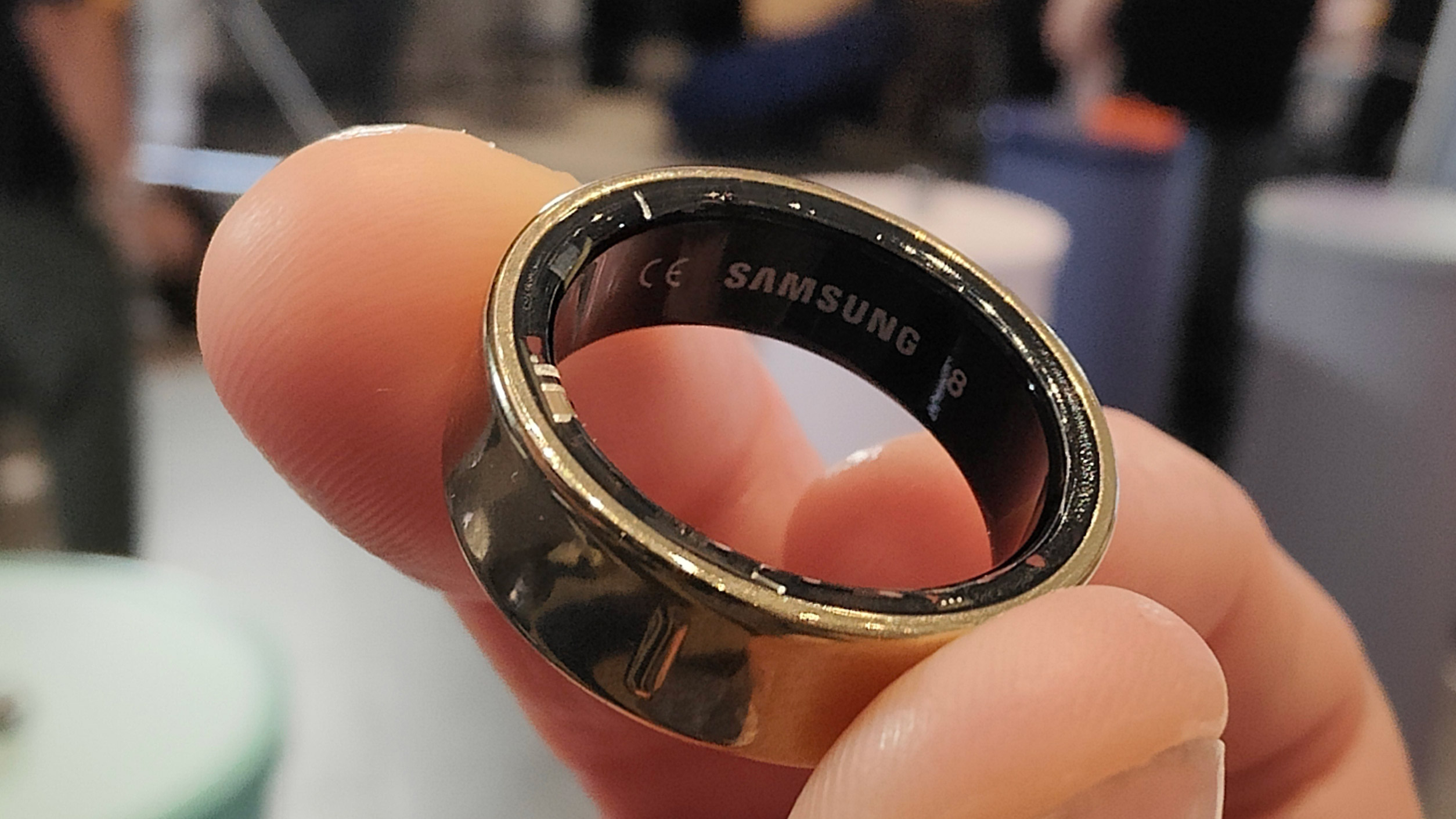
Although design updates are likely to come, Pak hinted that this won’t be the biggest difference with the Galaxy Ring 2. “If you look at the comparison of other rings, regardless of the competitor, the sensors are not that different right now,” he said, adding: “It’s really about what services you create on the top layer. It’s really the software differentiation that you see.”
With these comments in mind, the main focus of the Galaxy Ring 2 will be on developing deeper software integration rather than reupholstering the hardware. Pak also shared that Samsung plans to leverage its connected ecosystem to help users receive more accurate metrics and get a better idea of their health habits.
Instead of just using the Galaxy Ring 2’s collection of metrics to present a complete picture of your well-being, Samsung takes your data from the smart ring and combines it with other devices on your network through the Samsung Health app. This could include Galaxy watches and smartphones, and even its SmartThings range of home appliances to give you more detailed context of your daily activity and overall wellbeing.
For users already deep into Samsung’s device ecosystem, it’s a big win, but one of the biggest setbacks of the first-generation Galaxy Ring is its lack of iOS support. While Samsung has an overall advantage over companies like Oura, the latter is compatible with iOS, giving users more reasons to opt for its wearable devices over Samsung’s, but this could change with the Galaxy Ring 2.
In addition to software updates, Pak teased that iOS compatibility will finally come to the Galaxy Ring; “I’m smiling but I can’t say anything,” he hinted. Of all the new updates, iOS support would throw the biggest curveball at the competition, giving non-Android users even more reasons to switch to the Galaxy Ring over rival wearables.
While it’s not exactly a formal announcement, it’s certainly a promising statement of what to expect from the long-awaited wearable device. Despite not giving any details on an official release date, Galaxy Unpacked 2026 is just around the corner where we expect the announcement of the S26 line – could Samsung also throw the Galaxy Ring 2 into the mix?

Follow TechRadar on Google News and add us as a preferred source to receive news, reviews and opinions from our experts in your feeds.


