
Officials said the reversal of austerity measures would ensure smoother functioning of judicial work.
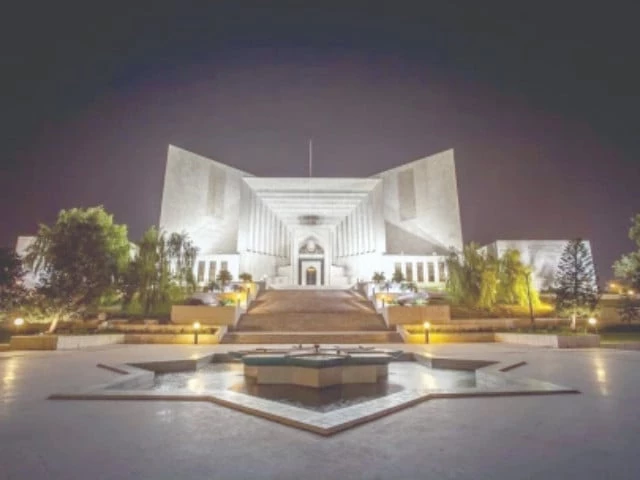
The Supreme Court said that as a constitutional body under Article 175 of the Constitution, it must have autonomy to conceive, design and approve infrastructure projects in accordance with its institutional requirements. Photo: Online
ISLAMABAD:
The Supreme Court has withdrawn its previous austerity measures, restoring full working hours and reversing cuts in fuel subsidies and safety provisions following the approval of Chief Justice of Pakistan Yahya Afridi.
According to a notification issued after the approval of the Chief Justice, the austerity policy introduced on March 10, 2026 will formally end from June 15, 2026 and all judicial operations will return to normal.
Under previous measures, the Supreme Court had reduced its business days to four (Monday to Thursday) as part of a cost-cutting initiative. However, with the withdrawal of the notification, the court will now resume its normal six-day working hours, Monday to Saturday.
The March notification also included a 50 per cent reduction in the monthly petrol quota for judges and authorized officials, along with restrictions on the use of additional security and protocol vehicles in high security areas.
The SC had also introduced staggered attendance of court staff to reduce power consumption and operational costs. The court has now revoked all of these measures and will operate according to its standard procedures and schedules.
Officials said the reversal of austerity measures would ensure smoother functioning of judicial work and facilitate better access to justice, as routine operations resume without restrictions.
On Wednesday, the federal government extended a series of austerity measures until June 30 and allowed grocery stores and general stores to remain open until 10 p.m., following a meeting chaired by Deputy Prime Minister Ishaq Dar.
Earlier this month, the federal government relaxed business closing hours as part of revised energy conservation measures, citing rising temperatures and increasing summer daylight hours.


