
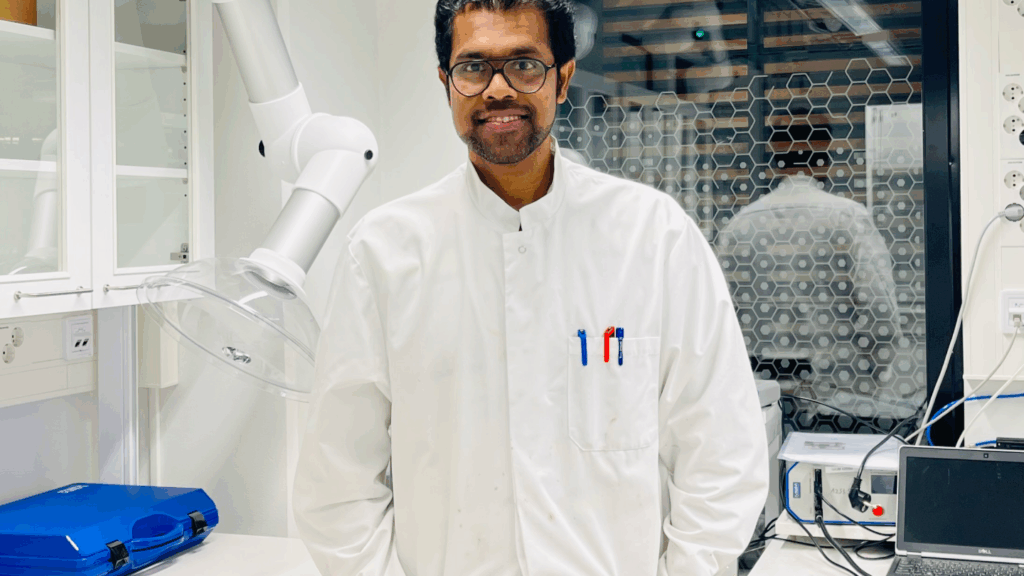
- PhD researcher develops dual-function polymer films for energy systems
- Porphyrin-based materials combine electrochromic switching with electrical energy storage
- Films free of nickel, zinc and metals show different optical behaviors
A PhD researcher at the University of Turku has developed multifunctional materials that could eventually be used in smart windows capable of storing energy while adjusting indoor light levels.
The work focused on porphyrins, natural molecules found in biological systems such as chlorophyll and hemoglobin.
These molecules are known for their ability to participate in energy transfer and other important chemical processes.

Materials inspired by nature combine two functions
The polymer films developed in the work combine electrochromic behavior with the storage of electrical energy in a single material.
In this system, electrochromic materials change color when electricity is applied, while energy storage materials capture and release electrical charge.
The combination of both functions could expand the use of smart surfaces in energy-efficient technologies and other applications.
Doctoral researcher Sachin Kochrekar said porphyrins provided a useful starting point because of their natural ability to transfer electrons and alter their electronic states under controlled conditions.
“For example, thanks to the porphyrin structure present in chlorophyll, the plant can recover energy from sunlight through photosynthesis,” says Sachin Kochrekar.
“The ability of this natural molecule to transfer electrons and change its state in a controlled way is also an interesting starting point for us materials scientists.”
The study uses two different approaches: One method combined porphyrins with electrically conductive compounds.
The other method connects porphyrins through molecular bridging structures to form polymeric membranes without requiring specially modified starting materials.
Both methods resulted in polymeric membranes exhibiting combined electrochromic and energy storage properties, although their performance depends on the synthesis route.
Small structural changes produced different results
The study also examined how altering the central component of the porphyrin structure affected the material’s performance.
He incorporated nickel, zinc, or no metal into the molecular structure and observed notable differences in behavior.
The results showed that the nickel-containing film could reversibly switch between three different colors, while the zinc-containing and metal-free versions switched between two states.
Color changes occurred quickly, typically within two seconds, while the materials maintained strong visual contrast during operation.
The films retained their coloration after electrical power was removed, a feature that could reduce power consumption in practical applications where continuous power is not desirable.
Beyond color change behavior, the materials were evaluated as electrochromic supercapacitors using water-based electrolytes.
These systems are generally considered safer and environmentally preferable than many conventional electrolyte technologies.
The experimental films demonstrated measurable energy storage capabilities and maintained performance over thousands of charge and discharge cycles.
According to the University of Turku, this is the first study of these specific porphyrin-based polymer films that function as electrochromic supercapacitors within an aqueous electrolyte environment.
Smart windows remain a future possibility
There are several potential applications of this study, and the relatively low cost of producing the materials makes them relevant for further evaluation.
“The materials are low-cost to produce, easy to control and highly customizable and can be integrated into a wide range of applications, including flexible and elastic substrates,” Kochrekar said.
“In the future, these materials could be used, for example, in sensor technology, flexible electronics, smart clothing and solar energy solutions.”
One potential application involves window systems capable of adjusting transparency while also storing solar energy collected during the day.
“For example, new types of smart windows could simultaneously store solar energy and darken in the bright sun, reducing the need for cooling in the building.”
However, the research is still in the materials development stage and more engineering work would be required before it could appear in commercial buildings or consumer products.

Follow TechRadar on Google News and add us as a preferred source to receive news, reviews and opinions from our experts in your feeds.


