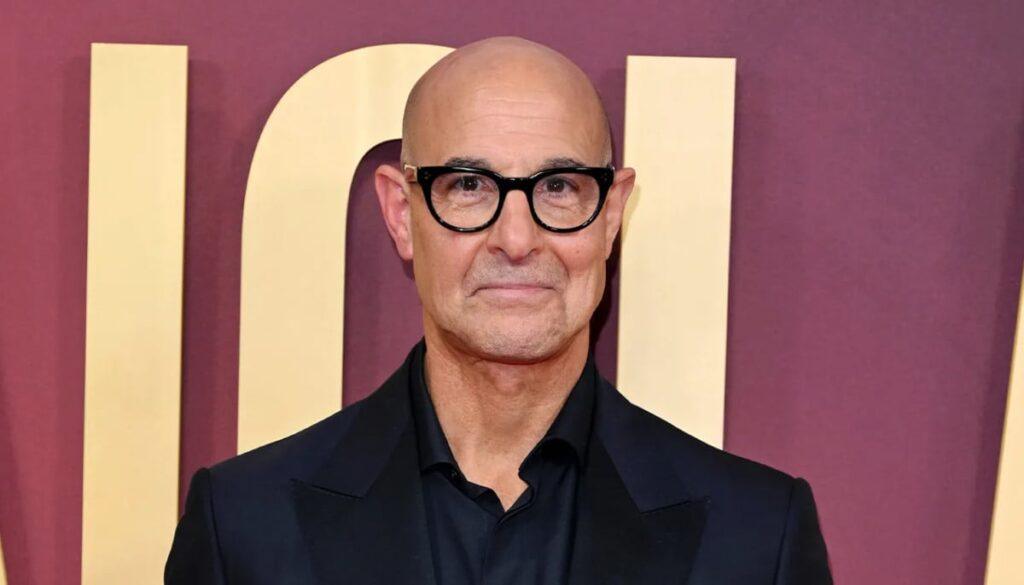
Stanley Tucci has revealed that he decided to return to The Devil Wears Prada 2 because the sequel addresses the harsh reality of how AI and smartphones threaten the survival of traditional journalism.
Reprising his role as Nigel, the acerbic art director of Catwalk magazineTucci explained that he was drawn to a script that went beyond “pretty suits” to explore a substantial story about the diminishing need for in-depth content.
The actor noted that Nigel’s career has seen very little movement in the twenty years since the first film, as he remains fervently dedicated to maintaining quality in a rapidly changing digital landscape.
The sequel, which hit theaters on May 1, finds Nigel still working alongside Meryl Streep’s formidable Miranda Priestly.
Despite the painful betrayal he suffered at her hands in the original 2003 film, Tucci says the couple has managed to maintain what he describes as a “perfect symbiotic relationship.”
For the actor, the appeal of playing Nigel again lay in the character’s unwavering belief that quality work is paramount, regardless of the modern obstacles stacked against magazines and newspapers.
Tucci shared with The Hollywood Reporter that it was important to him that the project have a purpose, echoing Meryl Streep’s own feelings about returning only for a meaningful story.
He appreciated that the film addressed the modern struggle of the industry rather than just being a frivolous fashion show.
Beyond the serious themes, Tucci admitted that he was eager to revisit Nigel’s subtle way of navigating the world, noting that the character plays things close to his chest and possesses a unique “peripheral vision” that makes him exceptional at his job.
Of course, the opportunity to express Nigel’s trademark wit was also a big draw.
Tucci confessed that stepping back into the character’s fashionable shoes and delivering those “sarcastic, slightly funny lines” was just a lot of fun.
As Nigel navigates his relationships with Miranda’s Andy Sachs and Anne Hathaway two decades later, the film serves as a timely warning about the state of modern media while maintaining the charm that made the original a classic.