
- Zendesk Introduces Results-Based Pricing Model for AI Agents
- Customers only pay for support interactions successfully resolved by AI
- AI is now presented as a unit of work, not just a productivity tool
Zendesk has rethought service pricing in an AI-first era, moving beyond the evolution from seat-based to token-based pricing: the company is now committing to outcome-based pricing, marking one of the biggest business shifts in the enterprise AI market.
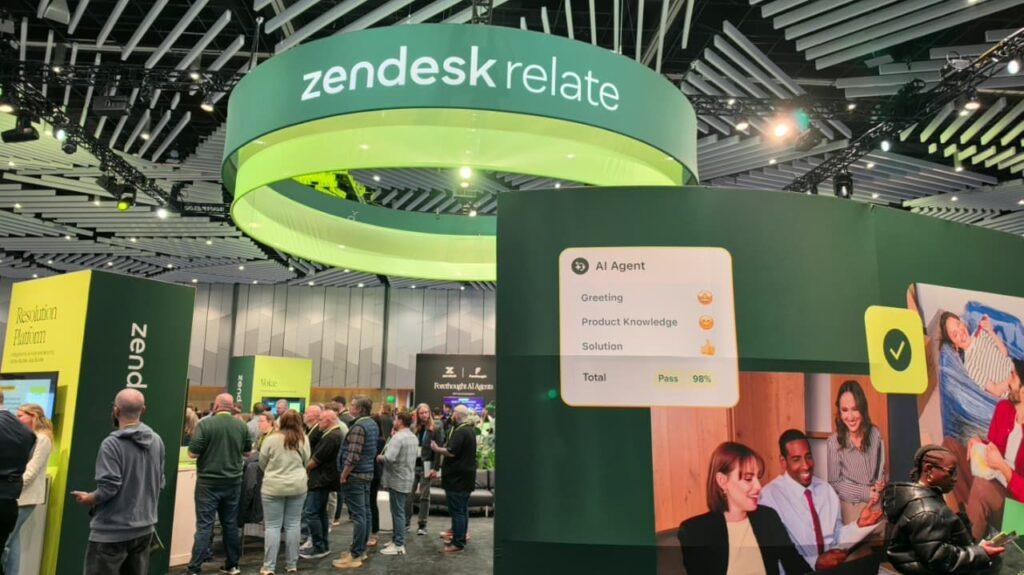
Announced during the company’s annual Relate conference, the new model charges customers only when its AI systems have successfully performed support interactions.
The company said each resolution would be independently verified with its own dedicated AI evaluation model, meaning low-value trades would be excluded from billing.

Zendesk empowers AI to drive business value
The pioneering move reflects growing pressure across the AI industry to demonstrate tangible business value rather than simply showcasing the model’s capabilities in exchange for high and often wasted costs. As organizations become more cautious about spending on AI, vendors are increasingly asked to demonstrate measurable return on investment (ROI) rather than charging just for access, and the change in Zendesk’s pricing model makes the company responsible for conveying return on investment (ROI) to customers.
However, what this means in terms of revenue is less clear. For years, SaaS companies have relied heavily on predictable subscription prices tied to the number of users or licenses.
Zendesk’s approach effectively treats AI agents as digital workers whose compensation depends on measurable results, rather than availability. For Zendesk customers, it means you’ll only pay when you’ve completed meaningful work.
As Shashi Upadhyay, president of Product, Engineering and AI, put it in an interview with TechRadar Pro at the event: “Stop thinking about agents as software… start thinking about them as a unit of work.”
This is the first time a company like Zendesk could risk incurring costs without being able to recover them from customers, and marks a major turning point for revenue models in general. The implications could extend far beyond customer service, as companies are expected to experiment with pricing tied to sales conversions, tickets resolved, workflows completed, productivity improvements, and other outcomes.
This new strategy also reflects the growing competition within enterprise AI: going forward, pricing innovation may become as important as model performance in customer acquisition and retention.
So while Zendesk may be among the first to implement such pricing at scale, it offers a glimpse into how AI software could be marketed in the future.

Follow TechRadar on Google News and add us as a preferred source to receive news, reviews and opinions from our experts in your feeds.


