
- FCC could ban anonymous phones
- This would mean the end of disposable phones
- While this could help prevent certain crimes, it can also harm many innocent people who require anonymity or lack the required identification or housing.
It’s increasingly difficult to be anonymous in the modern world, and in the United States it could be about to become even more difficult, as burner phones could soon be effectively banned.
As Fortune reported, a new proposal from the FCC (Federal Communications Commission) would require VoIP carriers and providers to collect various details from a customer, including their name, address, government-issued identification number, and an alternate phone number, before activating or renewing service.
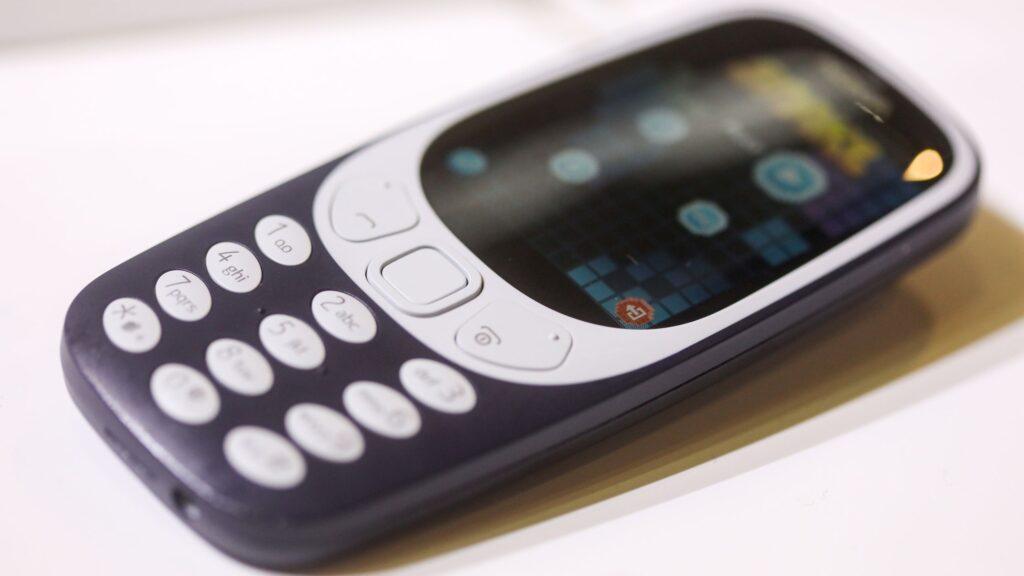
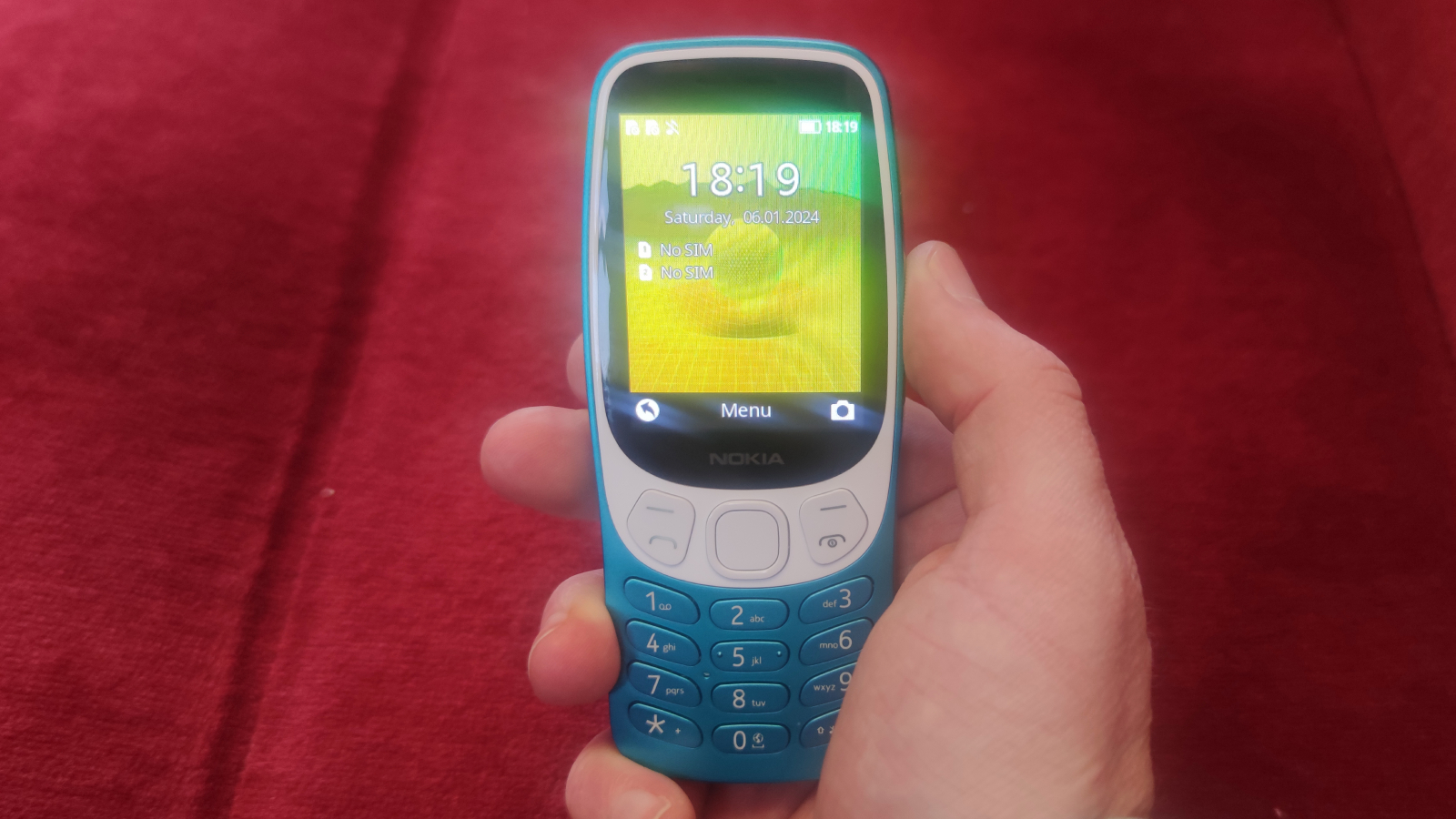
Aside from the strange requirement of having a phone number before you can get one (something that could be difficult for anyone getting their first phone), this would effectively mean the end of anonymous prepaid phones, commonly known as burner phones.

That’s probably a bad thing, since while these may be associated with crime (the FCC says this change could help them investigate “fraud, espionage, or influence operations that undermine national security”), there are also plenty of legal reasons why people might want a burner.
Bad for privacy and dangerous for victims
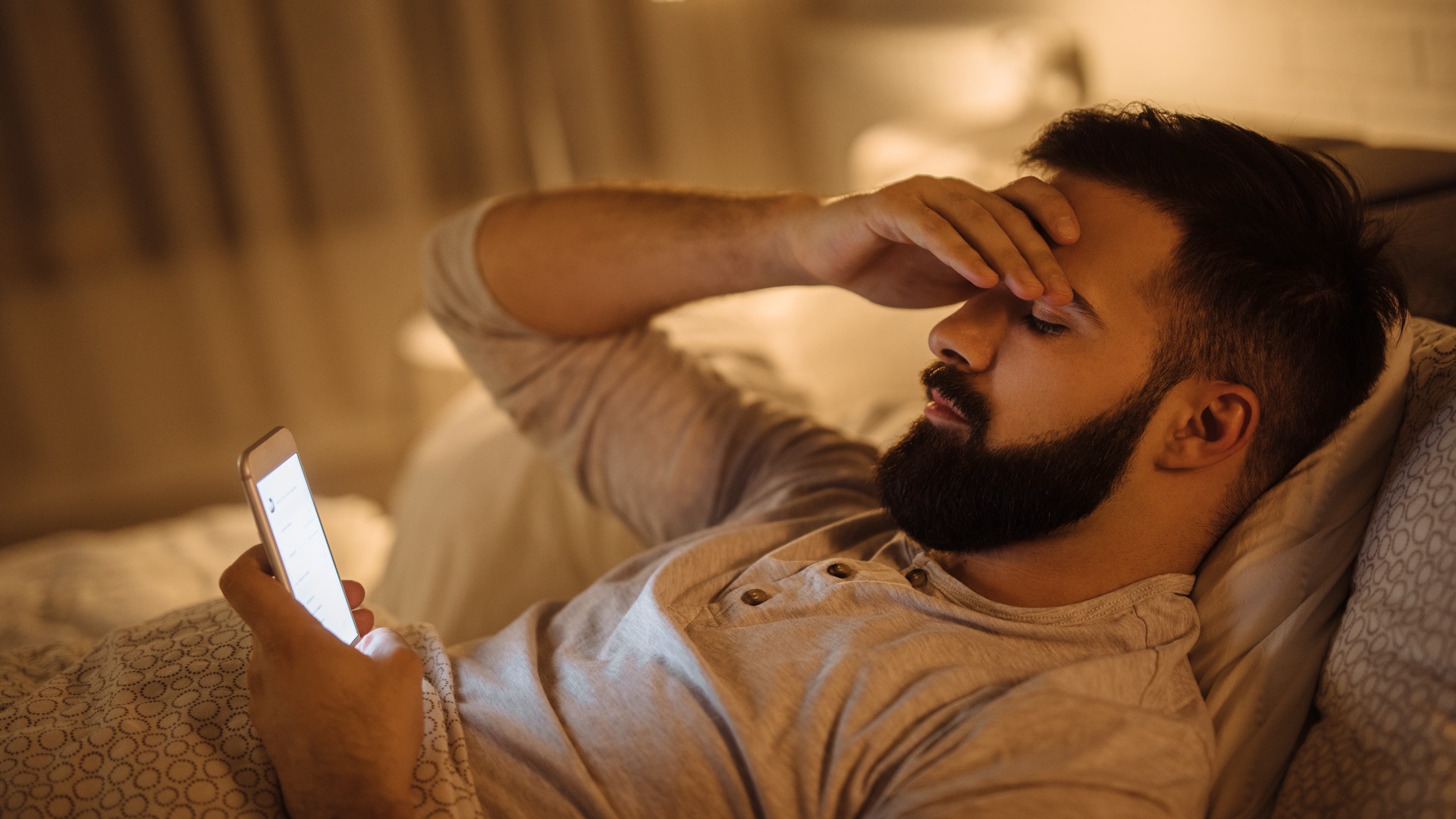
As noted in a joint presentation by the Electronic Frontier Foundation and the American Civil Liberties Union: “This proposal would also prevent people from getting an anonymous phone line for safety reasons, such as a person in a domestic violence situation who has no control over their personal phone line and needs to call a shelter, or a teenager coerced by human traffickers who just wants to ask for help.”
Additionally, they described this proposal as “a data collection regime that harms everyday, law-abiding Americans,” while Sydney Saubestre, senior policy analyst at the Center for Democracy and Technology’s Data and Privacy Project, called it “misguided and counterproductive,” adding that “Americans should not have to sacrifice their privacy because the Commission has not exhausted more targeted alternatives to stop robocalls.”
And it’s not just victims of domestic violence and human trafficking who can suffer because of this. It is estimated that approximately 15 million adult U.S. citizens do not have a driver’s license and 2.6 million do not have a government-issued photo ID, while people experiencing homelessness will struggle with the requirement to provide an address.
Additionally, anyone who values privacy may also disagree with this, especially since phone company customer accounts have been hacked before, revealing the data linked to them.
Many commenters on Reddit also fear that the United States will increasingly become a surveillance state with rules like this, with popular comments including “tighten police state control. Make the Orwellian world a reality,” “care less about criminals and more about policing everyone,” and “we have to track them all!”
Therefore, it is safe to say that this proposal is not popular and could end up doing more harm than good. Hopefully, that could mean the FCC sees sense and decides not to do it.

Follow TechRadar on Google News and add us as a preferred source to receive news, reviews and opinions from our experts in your feeds. Be sure to click the Follow button!
And of course you can also follow TechRadar on TikTok for news, reviews, unboxings in video form and receive regular updates from us on WhatsApp also.


