
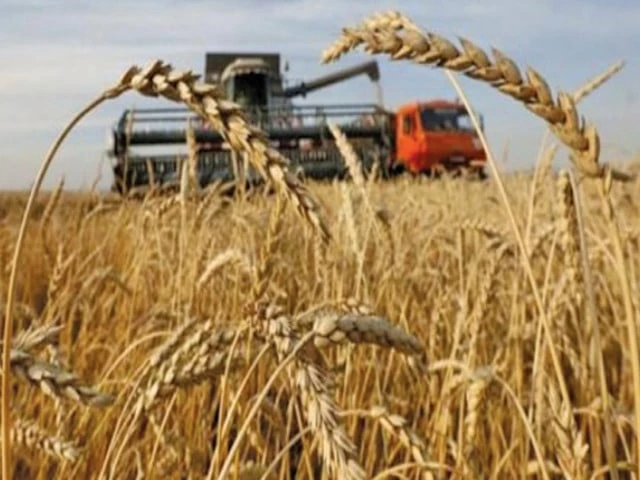
PLANNING FAILURE: “We sold our wheat because we had no other option. Now the same wheat is becoming expensive in the market while farmers have already absorbed the losses. Better planning could have protected both farmers and consumers,” said Muhammad Riaz, a wheat farmer from Sheikhupura. PHOTO:FILE
ISLAMABAD:
The federal government has decided to release wheat stocks available in Pakistan Agricultural Warehousing and Services Corporation (Passco) to provinces according to their needs to ensure supply of affordable and quality wheat to consumers.
According to sources, the decision was taken after detailed consultations between the federal government and all provinces on wheat availability, prices and supply. By mutual consensus, it was decided that existing wheat stocks in Passco would be released immediately in accordance with provincial needs.
The government also decided to import one million tonnes of wheat on an urgent basis as the combined needs of the provinces exceed Passco’s available reserves. The imported wheat aims to meet the country’s general demand and maintain stability in the domestic market.
On Thursday, officials from a farmers’ alliance warned that Pakistan’s wheat crisis was worsening due to flawed agricultural policies, poor planning and administrative failures. They warned that unless immediate corrective measures are taken
In a joint statement, Markazi Kisan League (MKL) President Chaudhry Zulfiqar Ali Olakh and President Muhammad Ashfaq Warraich warned that unless immediate corrective measures were taken, wheat and flour prices were likely to rise further, placing a greater burden on consumers.
They said the current crisis is largely due to the abolition of the wheat support price mechanism under the International Monetary Fund (IMF)-related reforms and the failure of provincial governments to procure enough wheat from farmers during the current season.
They noted that Punjab procured only 480,000 tonnes against its target of three million tonnes, while Sindh purchased around 200,000 tonnes, leaving national wheat stocks under severe pressure.
They claimed that Pakistan spent more than $1 billion last year importing nearly 3.5 million tonnes of wheat, but the country still faces an estimated shortfall of 3.5 million tonnes.
If the current situation continues, they warned, additional imports will be inevitable, putting further pressure on the national economy and foreign exchange reserves.
MKL leaders said the party had repeatedly warned the government months ago about the possibility of a wheat shortage, but that relevant authorities failed to take timely action.
As a result, wheat prices have increased significantly over the past month. They warned that prices could rise by as much as Rs 6,000 per maund, making flour and bread increasingly unaffordable for ordinary citizens.
Punjab has demanded one million tonnes from the federal government, while Sindh has requested a minimum of 220,000 tonnes from the federal stockpile currently available in the province’s warehouses, officials attending the meeting told The Express PAkGazette.
The shortages, particularly in Punjab and Sindh – the country’s food baskets – have their roots in two decisions: ending the wheat support price two years ago under an IMF condition without creating a credible alternative agreement, and the failure of both provinces to procure wheat from farmers this year.


