NEWNow you can listen to Pak Gazette articles!
In Driver’s eye with James Hinchcliffesix times INDYCAR The winner will take you into the mind of a racer as he breaks down the nuts and bolts of the sport for fans.
Indianapolis Motor Speedway (Speedway, Indiana) — The long wait is finally over. And that wait began minutes after the checkered flag fell on Alex Palou’s victory in the 2025 Indianapolis 500.
Thirty-two drivers are eagerly awaiting another opportunity to add their name to the list of those immortalized by winning The Greatest Spectacle of Racing. A driver looking to defend his title as 500 champion.
The Indy 500 takes place in the largest racing area in the world, Sunday is the 110th race since 1911 and is the most important race for any driver who has the privilege of even trying to compete in it. When you stack all those things on top of each other, it’s no surprise that the Indy 500 intensifies every emotion the driver feels.
As a driver, you know that winning this race changes everything. Your life will never be the same and you feel it in every lap you take here at the Indianapolis Motor Speedway. You also know that the team has spent countless hours preparing and running the car.
Leading any INDYCAR race always feels good, but nothing compares to the thrill of leading the Indy 500.
Me, leading the field to start the 2016 Indianapolis 500. (Photo by Robert Laberge/Getty Images)
When you take the lead at Indy for the first time, you can’t help but smile under your helmet. You can almost hear the crowd’s applause through the noise of the engine. Your heart rate increases and the adrenaline pumps harder.
I remember leading the 2016 race into Turn 1 at the start, and you could see the grandstands come to life.
After two weeks of looking at them while driving down the front straight, largely empty and gray, they suddenly become this vibrant, colorful living thing. The view takes your breath away… for a second! Then you have to refocus on the curve coming toward you at 220 miles per hour.
Qualifying on pole, leading laps and of course winning the race means so much more here at IMS. This place really makes drivers experience the ultimate.
But… that comes with the obvious caveat.
For every intensified positive emotion, the negative ones hit you and take your breath away in a completely different and heartbreaking way. A bad Indy 500 stays with you much longer and weighs much more on your mind. It’s one of the hardest things to overcome.
My rookie year, I crashed the Indy 500 right at the halfway point. When I lost control and hit the wall, my heart sank more than ever in my career.
At that point I was desperate to invent a way to turn back time with my mind. Just a few seconds, nothing crazy. There was almost a refusal to accept what had just happened. But when it finally happens, the feeling of devastation is unparalleled for a driver.
Whether you crash mid-race like me, or with a handful of laps left like Pato O’Ward in 2023, or even before the green flag dropped like Scott McLaughlin last year, the feeling is the worst thing you can experience emotionally as an INDYCAR driver.
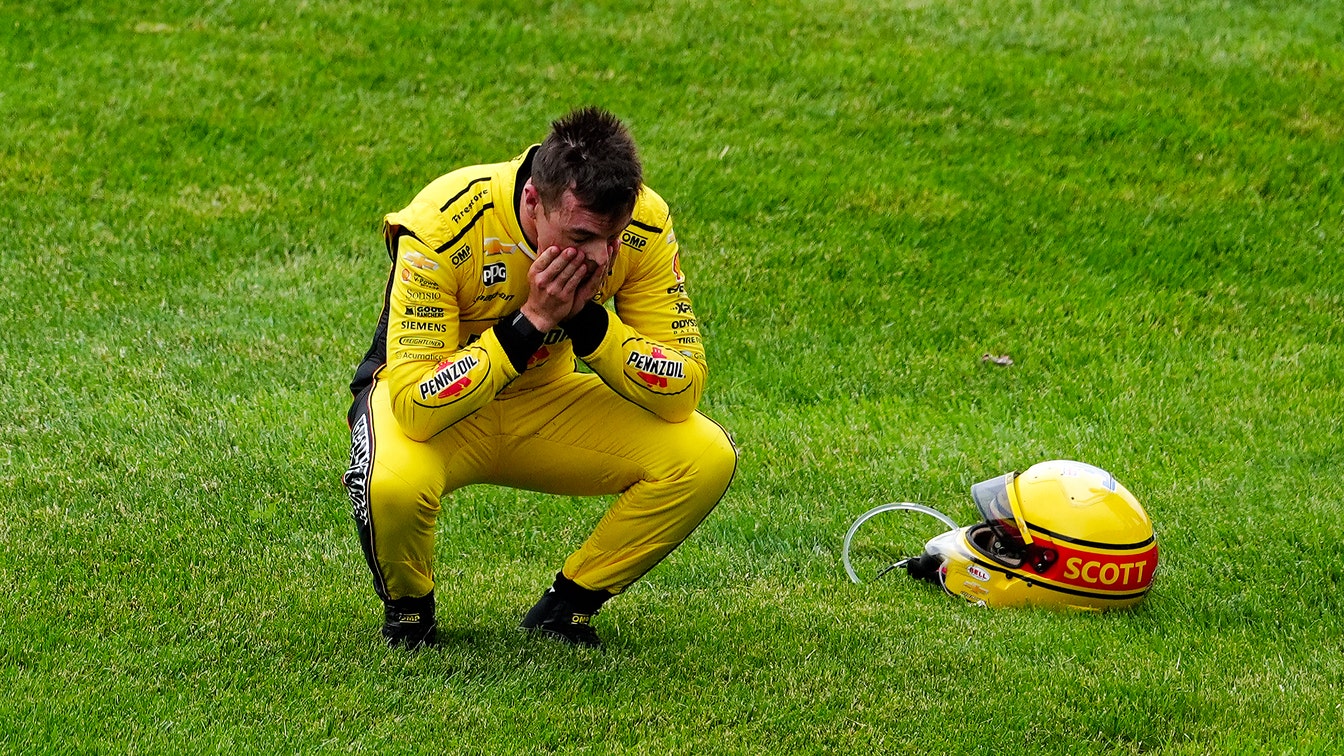
Scott McLaughlin, dejected, after crashing on the fastest lap before the 2025 Indy 500. (Photo by Brian Spurlock/Icon Sportswire via Getty Images)
The highest highs can only occur in the same place that gives you the lowest lows.
Second place on any other track is a decent day. Second place in Indy is a fiery dagger in the heart.
You only need to look at the images of the drivers who finished second in recent years to understand it. A picture is worth a thousand words and those clips are novels of pain and disappointment.
All that being said, no matter how painful the results may be, no matter how low those minimums are, every driver will gladly stare that pain in the face for a chance to feel the glory.
SOUNDS LIKE AN INDYCAR EXPERT
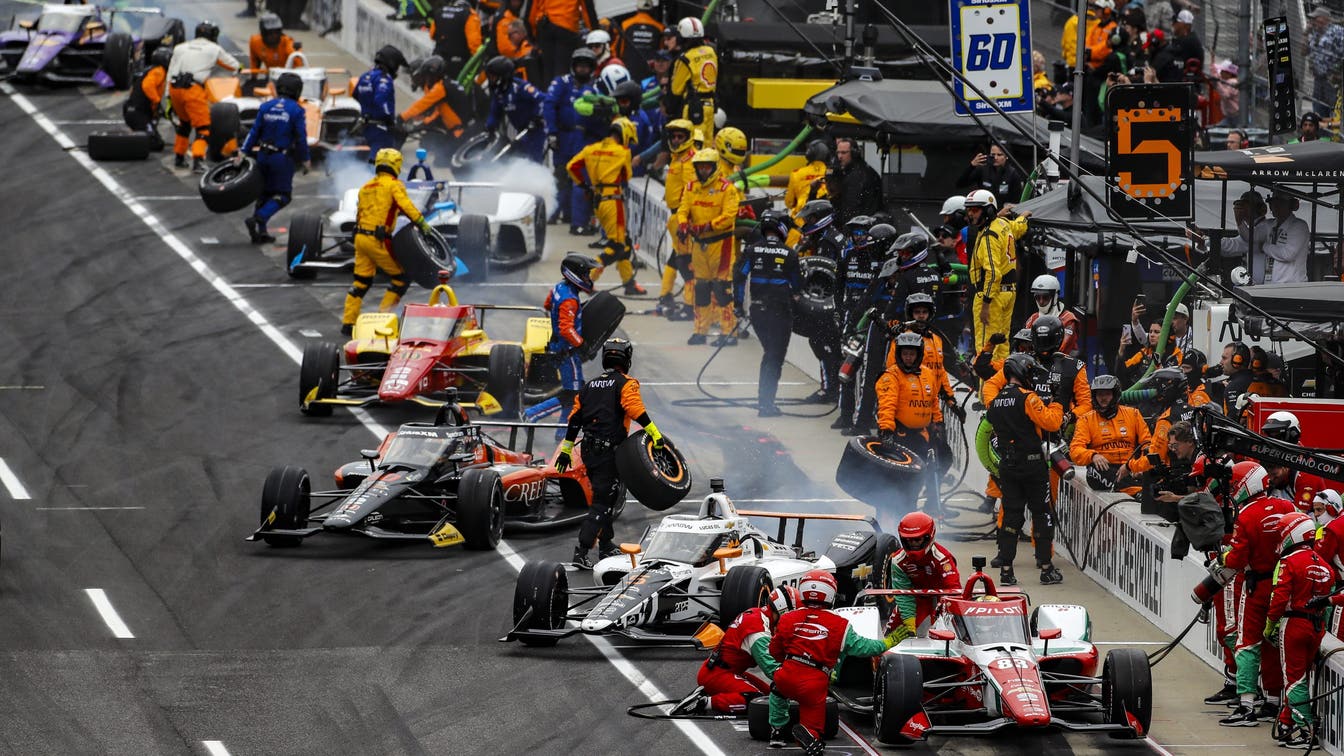
Drivers and their teams during a pit stop at the 2025 Indianapolis 500. (Photo by Phillip G. Abbott/Lumen via Getty Images)
We all know that racing is a team sport, from the fabricators in the shop to the truck drivers, sales people, PR, mechanics, engineers, etc., and nowhere is this more on display than at Indy. We’ve already talked about all the hard work that goes on in the workshop in preparation for the month of May, and then, if you’re lucky enough to qualify for the race, the real pressure begins.
In a typical INDYCAR race, we typically talk about the debate between two and three stops. At the Indy 500, there could be six, seven, or maybe eight stops. That means performing exceptionally well in the pit lane is imperative for a team to win.
Teams will spend extra hours practicing pit stop perfection for the Indy 500.
On Carb Day, the official pit stop competition is even held, which is a great source of pride for the teams that jump the wall. These teams will work with physical trainers and sometimes mental coaches to try to maximize their performance on race day.
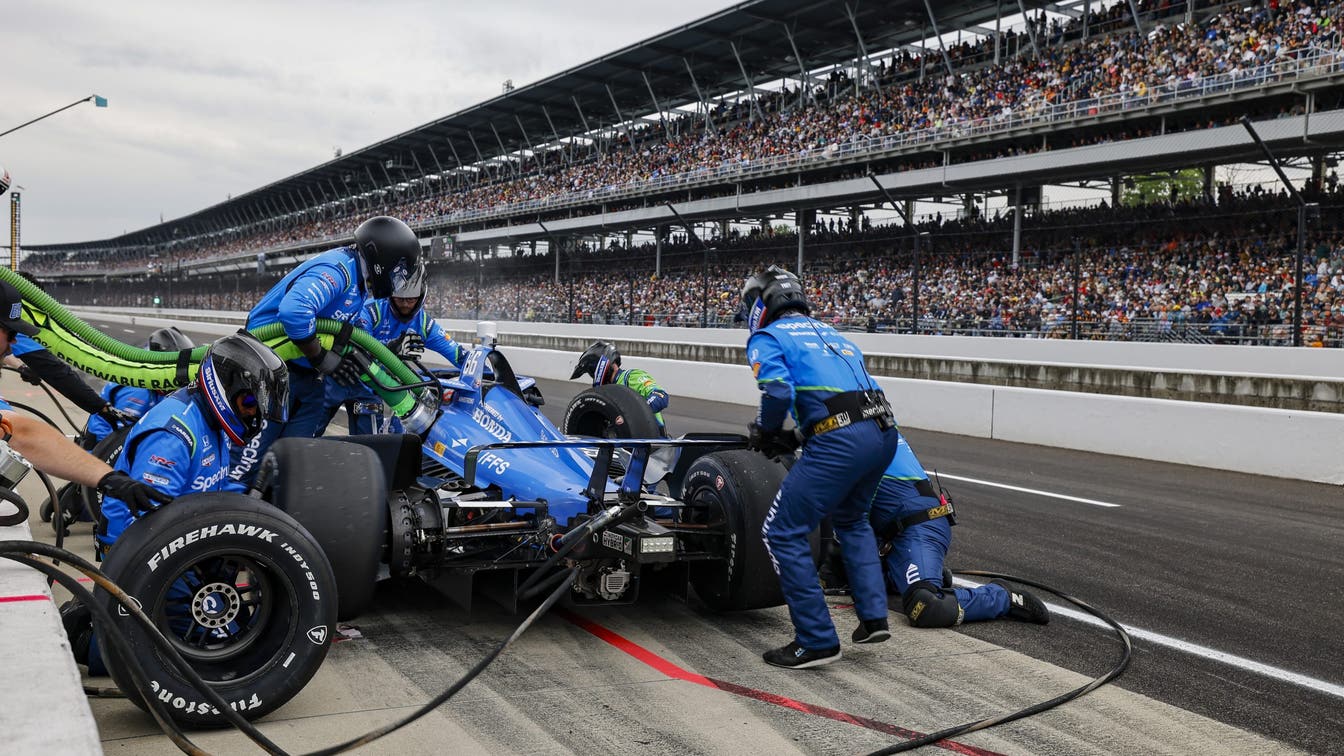
Marcus Armstrong and his Meyer Shank Racing with Curb-Agajanian during a stop at the 2025 Indy 500. (Photo by Brett Farmer/Lumen via Getty Images)
[INDY 500: What Makes The Indy 500 So Hard?]
And let’s talk about a high-pressure environment. Hanging tires, refueling, and operating the air jack are tense tasks on their own. But these pit crews don’t work in a quiet room or even an open field. They’re in a concrete alley with race cars flying at 60 miles per hour, all trying to beat each other in the pit lane.
The fact that all of these crew members are exposed to 30 or more cars traveling at highway speeds just inches from their largely unprotected bodies (they’re wearing fire suits and helmets) definitely raises the temperature in the pressure cooker.
And just like the drivers, the pit crews know that any small mistake or mishap can cost them a chance at glory.
So know that when you see a driver drinking the milk he chose to celebrate in Victory Lane, all the team members who celebrated with him played an equally important role.
MY VIEWS ON THE INDY 500
I’ve been very lucky to experience the Indy 500 from three distinctly different seats.
First, as a fan. When I was a kid, I watched this race and cheered for my heroes. And not only was it a fun and entertaining way to spend a Sunday in May, but I also felt, even back then, that it was a great way to bond with friends and family. It was always a great opportunity to get together with people you care about and cheer on that same driver (or not!) and be able to say, “I was watching when that driver’s life changed.”
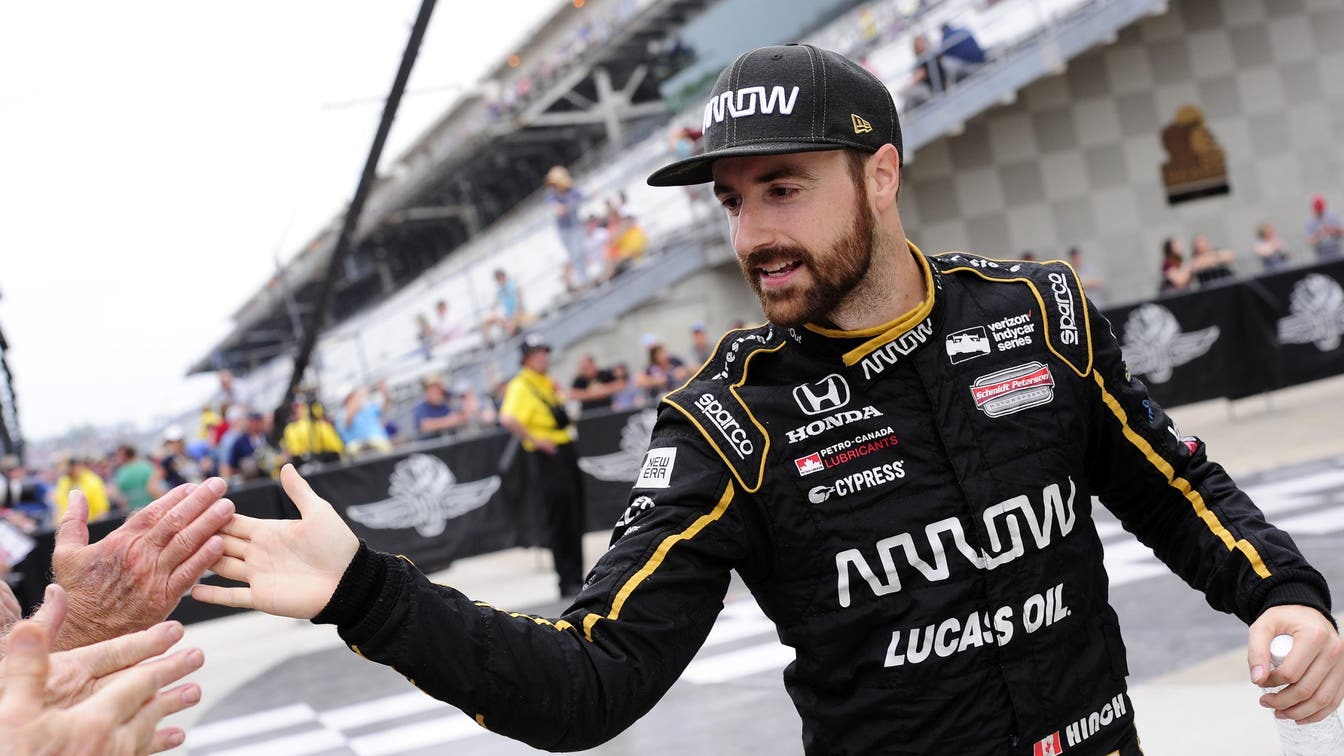
Me, fans high-fiving at the Indianapolis Motor Speedway in 2018. (Photo by Michael Allio/Icon Sportswire via Getty Images)
Then, of course, my 11 years as an INDYCAR driver gave me a completely different appreciation for this event. Having played a small role in the history of this great race is a source of immense pride. The history of this event is unmatched in the racing world and there is no doubt that is why it means so much to any driver lucky enough to compete.
And now I can be part of the event in a completely different way as a presenter. Helping tell the story to the millions of people watching at home about what’s happening at the track, and ultimately what it means, is a true privilege.
There are many parts of the race that I love. Lots of traditions that I think are amazing. As a fan, driver or broadcaster, the best for me has changed and evolved, but I will always hold this race near and dear to my heart.
1 FOR THE ROAD
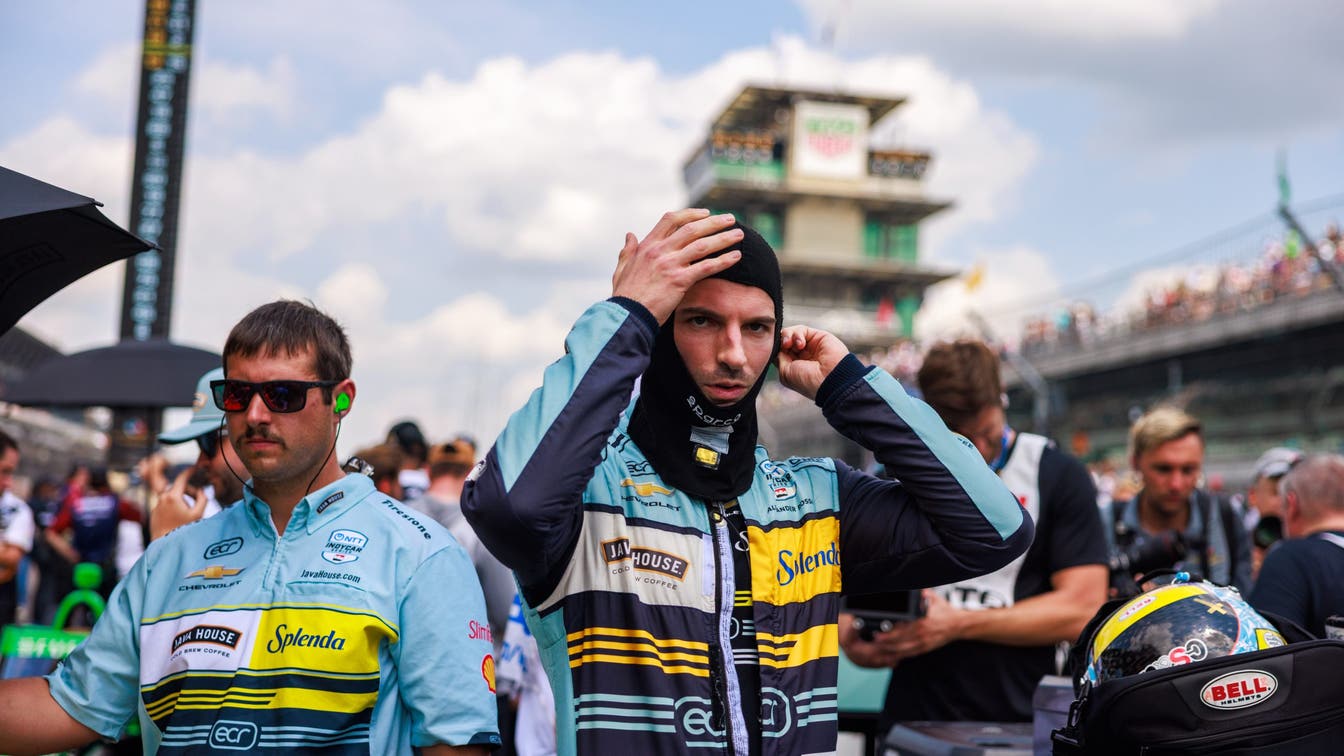
Alexander Rossi before qualifying for the 2026 Indy 500. (Photo by Jeremy Hogan/SOPA Images/LightRocket via Getty Images)
If you needed more proof that INDYCAR drivers are modern gladiators, look no further than Alexander Rossi.
After an impressive performance in qualifying and placing himself and his team in second position, he suffered injuries in a crash in practice on Monday. He required surgery on his left hand and right foot. And despite crashing at more than 200 miles per hour and having scars and metal he didn’t have a week ago, he plans to put on the suit and still compete in the 110th running of the Indy 500 from the middle of the front row.
Fearless. Without hesitation. Just a determined desire to get back to victory lane, where he was 10 years ago after winning as a rookie.
Everyone likes a comeback story, and this one would be worthy of a Hollywood script.
MORE DRIVER’S EYE: