
- Data centers are raising the temperature in towns and cities
- The researchers recorded variations of up to four degrees
- Heat needs to be taken into account when planning and building data centers.
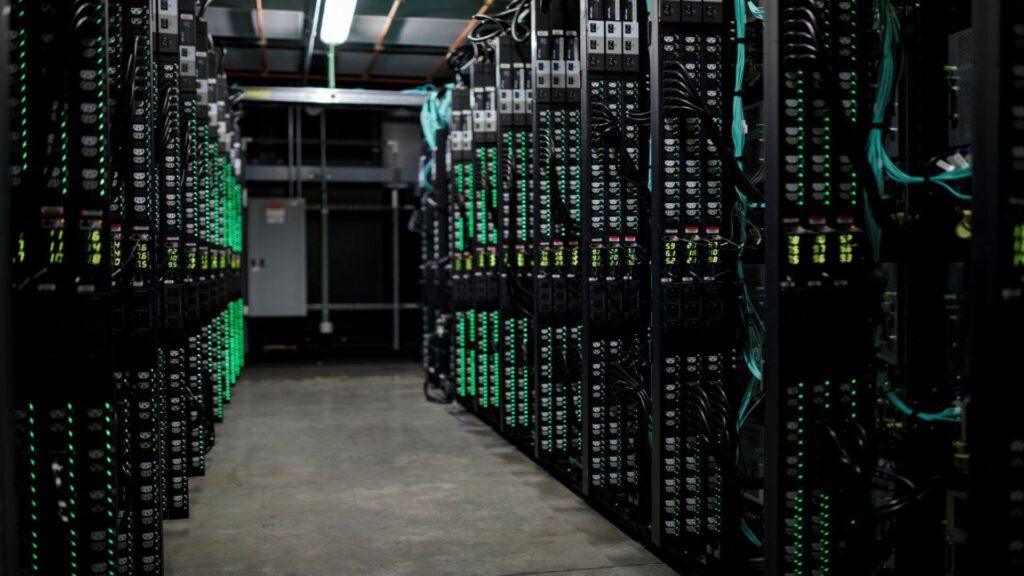
Data centers operate thousands of GPUs to solve computational problems, generating heat in the process. This heat then needs to be removed to keep the data center cool and running at peak efficiency.
However, some data centers are emitting so much heat that it is raising temperatures in local towns and cities by several degrees. In some cases, heat islands with temperatures 16 degrees F higher have been recorded.
Researchers at Arizona State University have studied the effects of heat production from data centers in Phoenix and found that temperatures can rise by up to four degrees F, exacerbating health risks caused by high temperatures and aggravating the heat production of Phoenix as a whole.

Data centers are turning up the heat
The researchers measured air temperatures both downwind and downwind at four selected facilities. The facilities ranged in power from a 36-megawatt data center in Mesa to a 169-megawatt campus in Chandler. According to the study, data centers of this size can generate as much heat as 40,000 homes.
When measuring temperatures at the data center sites, researchers recorded temperatures 14 to 25 degrees F higher than the surrounding air. As these thermal plumes moved downwind, they raised the temperature by an average of 1.3 to 1.6 degrees F, with the highest temperature recorded being 4 degrees F higher than the upwind temperatures of the data centers.
“Even if these data centers only contribute an additional heat island magnitude of one or two degrees, that can still have a very significant impact on our lives,” said lead author David Sailor, a professor at Arizona State University and director of ASU’s College of Geographic Sciences and Urban Planning.
Not only can higher temperatures worsen heat-related health risks, but even a 1 degree F increase can increase the energy consumption and heat production of air conditioning in residential and commercial areas, which in turn raises temperatures even further.
Sailor and his co-authors suggest that urban planners and industrial developers should take into account the heat production of data centers during planning and consider using green belts, forests or parks to act as a buffer between data centers and population centers.
Heat production is just one reason why residents in the vicinity of planned and built data centers are protesting such facilities.
Through Explore technology

Follow TechRadar on Google News and add us as a preferred source to receive news, reviews and opinions from our experts in your feeds.


